

Italian car design has long been admired around the world for its elegance, creativity and sense of style. From small city cars to luxury sports vehicles, Italian designers have influenced the way the automotive industry thinks about form and function.
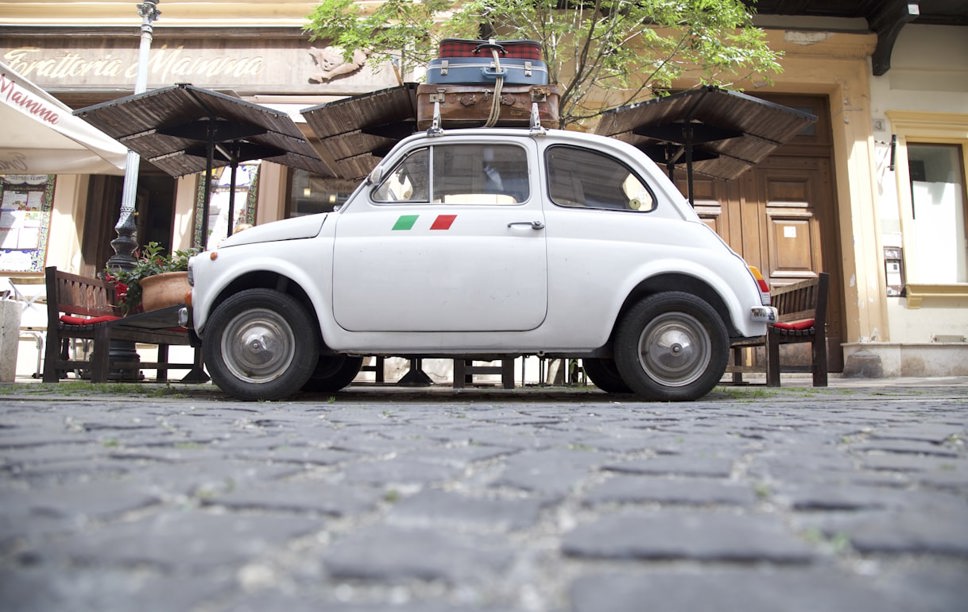
Italian design has always stood for more than simple aesthetics. It is about balancing beauty with practicality and making cars that inspire emotions while serving everyday needs. Fiat, Alfa Romeo, Ferrari and many others have built their identities on the strength of design. Over the decades, this reputation has influenced not just Italian companies but also the entire global automotive market. Much like free blackjack blends entertainment with strategy, Italian car design blends artistry with practicality, creating experiences that go beyond the surface.
The Philosophy of Italian Car Design
Italian designers often describe their work as a mix of art and engineering. Cars are not just machines for transport but symbols of lifestyle, personality and culture. The Italian philosophy emphasizes proportions, clean lines and details that enhance both appearance and performance.
Fiat is a prime example. The Fiat 500, both in its original 1957 version and its modern reinterpretation, reflects this philosophy perfectly. It is compact, stylish and practical, yet it also has a charm that makes it iconic far beyond Italy. Designers in Turin created a car that represents joy and individuality, showing how design can elevate even the simplest models.
This philosophy continues in more advanced cars too. Ferrari and Maserati show the Italian tradition of designing vehicles where aerodynamic function merges seamlessly with beauty. Every curve is purposeful, but every line also appeals to the emotions of the driver and the viewer.
Influence on Global Brands and Trends
Italian design has not stayed within national borders. Global automakers have often turned to Italian design houses like Pininfarina, Bertone and Italdesign for inspiration and collaboration. These firms have shaped cars for brands such as Peugeot, Volkswagen, Volvo and even American companies like General Motors.
The influence is clear in the way many global cars today focus on styling as a selling point. Features like flowing body lines, expressive front ends and compact yet elegant interiors show traces of Italian thought. Even outside Europe, markets from Japan to South America have borrowed Italian design language to make their cars more appealing to buyers.
Fiat’s success in Latin America is also tied to this design legacy. Cars like the Fiat Argo and Fiat Pulse show how Italian design principles can be adapted to local needs while maintaining an unmistakable style. By blending practicality with beauty, Fiat has managed to capture both the emotional and functional expectations of diverse markets.
Italian Design as Cultural Identity
Car design in Italy is not only about business. It is part of national identity and cultural pride. Cities like Turin and Milan have long been centers of automotive creativity, with design schools and studios that inspire new generations of designers. Exhibitions, concept cars and design competitions all highlight how deeply embedded car design is in Italian culture.
This cultural role makes Italian design stand out from other approaches around the world. While German design often emphasizes precision and reliability, and Japanese design focuses on technology and efficiency, Italian design celebrates artistry and expression. That difference gives the Italian automotive industry its distinctive voice in the global conversation about cars.
The Future of Italian Automotive Design
Looking ahead, Italian design faces new challenges and opportunities. The shift to electric vehicles and sustainable production means designers must rethink proportions, aerodynamics and materials. Italian studios are already experimenting with lighter components, innovative interiors and futuristic shapes that reflect this transition.
Fiat has begun adapting by reimagining its classics for the electric age, such as the new Fiat 500e, which retains the charm of the original while embracing clean mobility. Luxury brands like Ferrari and Maserati are also exploring how to maintain their signature design language in a world that demands sustainability. This evolution suggests that Italian design will continue to influence global trends, proving that creativity and style remain essential even in the face of technological change.






 Fiat Group World