Here comes the Fiat 500L

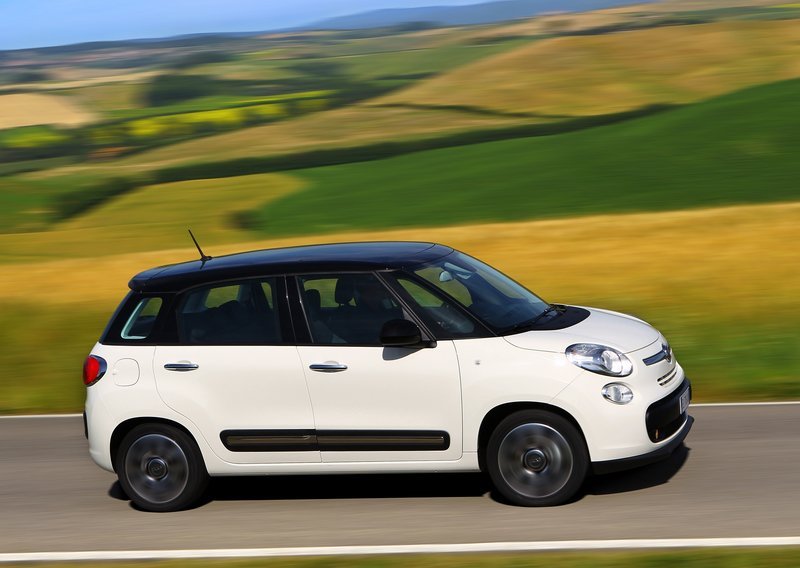
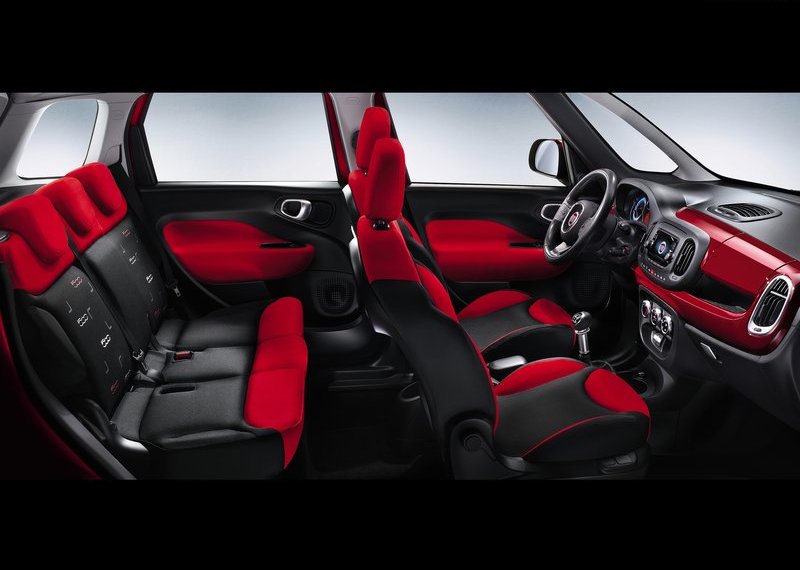
Fiat released more official pictures and all information about its latest product, the compact minivan Fiat 500L. The official presentation will take place today in Turin at the Officine Grandi Reparazioni, 5 years later after the awesome presentation of Fiat 500 also in Turin. According to Fiat press, this car will be distributed in more than 100 countries including the US where will arrive in 2013. They also revealed some details of the B-Segment MPV: 4.15 m long and 1.78 wide. The trunk has a capacity of 400 liters and thanks to ‘Fold&Tumble’  system it can be enlarged up to driver’s seat with flat floor. There are more than 1500 possible configurations for the room inside and for example if the user wants he can recline front passenger seat and integrate it to the trunk and therefore have a total lenght inside of 2.4m. Regarding engines Fiat comes up to ‘leggerezza’ idea or lightness in the sense that they offer ‘small’ engines with interesting power and very low emissions and fuel efficiency. Two petrol engines, 0.9 TwinAir with 105 hp and a 1.4 with 95 hp, and one turbodiesel 1.3 Multijet 2 with 85 hp. According to Fiat the TwinAir 105hp has a emission record of only 112 g/km, which is very slow compared to other cars and taking into account that is a minivan for 5 people. In 2013 there will the time for Methane, Natural Power with TwinAir system.
Fiat 500L only for 5 people. In the future there will be also available the 500XL with 7 seats

Inside it offers a 5″ touch screen of multimedia system, one of largest of the segment. There is possible to manage the radio, cellphone, mediaplayer, iPod, and also internet. Fiat calls the system as Uconnect and they say in the passengers will be able to go online in Facebook, Twitter or go and see how the weather or traffic conditions are. There is also possible to see all info regarding Drive LIVE system, which is the evolution of eco-friendly application developed in 2009. This system allows the driver to receive live information about his way of driving and telling him how to improve it and then save gas and produce less emissions. Then, the driver can save the information in a USB or a smartphone. Fiat says that with this system a common driver can reduce consumption by 16%. Regarding interior roominess they were inspired by cab forward idea which reconsiders the idea of the interior of a car to get more exterior visibility and great interior luminosity. To get it the 500L interior is all surrounded by glass surface allowing to have the best luminosity of the segment. The car is avaiable in 4 different versions: Pop, Pop Star, Easy and Lounge) and 3 different colours for the roof. At the end there are 333 different possible combinations. It is the first time Fiat offers a premium sound system in a car. In collaboration with Beats Audio. One unusual thing is the Coffee machine inside the vehicle made in collaboration with Lavazza. It is the first car to offer a real coffee machine thanks to capsule technology ‘A Modo Mio’ integrated to the car.

The 500L is produced in Kragujevac, Serbia after 3 years of intense works to adapt old Zastava’s factory and get ready for export markets. Fiat invested more than 1 billion euros  with more than 2500 workers. The plant can produce 700 cars per day. Fiat intentions are to sell the car first in Europe, just after this summer, and then in 2013 begin to export to the US market to continue the success of regular 500 that again had very good results during June/12 with more than 4.000 units sold. Fiat wants to sell around 40.000 units for the first year and then rise up to 55.000 when the sales in America reach its highest. The 500L is part of Fiat’s idea of increasing the success of Fiat 500 in other segments and create an entire family of small, practical and unique cars with strong character. It replaces both, the Multipla and Idea minivans and belongs to B-MPV segment to compete with Citroen C3 Picasso, Renault Modus, Opel Meriva, Ford B-Max, Lancia Musa, Toyota Verso-S, Subaru Trezia, Nissan Note, Honda Jazz, Hyundai iX20 and Kia Venga.

This kind of vehicle has become more popular in the last years but still has a low market share as people prefer larger minivans. In 2011 more than 540.000 units were sold in Europe, and the  main markets by number of units are Germany, Italy, France and the UK, but is Slovenia, Switzerland and Austria were they have more market share. Outside Europe, they are really popular in Indonesia and Japan. Fiat will have to make a big effort to positionate again a B-MPV segment as their last product, the Idea, was not really appreciated by public. For what they have created I think it will be a success and people would love to see an large 500 with more roominess inside.

Mondial de l’Automobile Paris 2012, the news from Fiat-Chrysler

Paris Autoshow is the next important car exhibition show in Europe. It will take place from September 29th till October 14th 2012 and is expected to be a regular autoshow without any espectacular launches due to European economic crisis. However it will be the place for the introduction of new generation of Renault Clio (the most important car in the event) and some other important cars from Germany. As it gathers all major auto press of the world, all car makers should introduce whether  a new car, a revised or new versions of existing models. From Fiat-Chrysler Group there will not be a lot of news. This is because Fiat is delaying all its launches waiting for better times and because the group is now focusing in other important markets with higher potential such as China, Russia, India or even Brazil or USA.

This is the render for Maserati Quattroporte 2013 shown by Italian car magazine, Quattroporte

The most interesting launch of the group will be the new generation of Maserati Quattroporte. It is expected to be larger, more powerful and luxury to gain more market share as the brand wants to reach 60.000 units by the year 2014 from 8.000 units sold last year. According to Quattroruote magazine, it will be lighter, but larger and will be moved by a V8 and V6 engines. Though they say it will be only presented in Detroit 2013 because they Fiat guys will be concentrated in the arrival of Super Ferrari with more than 800 hp. Another release will be the Fiat Panda 4X4, based on the current Panda but higher and better suspension. The mini car is suposed to hit the market as the unique full four wheel drive available with interesting prices. Of course there will be place for the Fiat 500L and maybe they could show the 500XL, but the reality should place it in Geneva 2013. Maybe new versions for the Fiat 500, while the Punto could get more engines. Ferrari, as said before, will show its new super car to replace the Enzo, and is expected to have more than 800 hp. Certainly it will be one of the stars of the event. From the other brands nothing new.

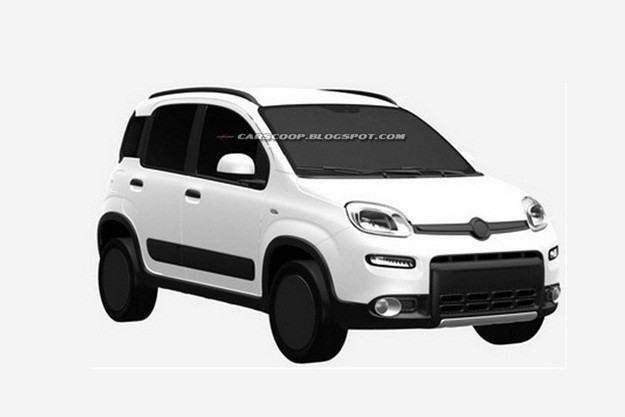
It shows how it looks the new Fiat Panda 4×4 according to carscoop.blogspot.com

Is a pity brands such as Alfa or Lancia, or even Fiat don’t have anything really new. Paris is a big event where all Europeans brands show their best. It would be the perfect place to present new generation of Fiat Punto, that should not be delayed anymore as it is a core product of the company. Alfa Romeo should have the new Giulia or at least the Giulietta Station Wagon or MiTo 5 doors, but again they will take more time and therefore there will be less sales. Lancia should present a deep restyling of the beauty Delta, which is rapidly loosing market share in Italy. Maserati should not only present the new Quattroporte but also the new E-segment sedan (supposedly called Levante) if they really want to multiple their sales by 10. And Jeep should be thinking of a great successor for its compact Compass. Marchionne could be waiting more time to save some money, but consumers might not be waiting more to change their car. And it works even more when talking of the Punto. Paris 2012 will be the place.

The lack of competition and disgrace of Alfa and Lancia

To describe Alfa/Lancia situation and think of their future is a difficult thing to do, besides becoming a bit boring as is a frequent topic among car specialists. However, the fact that both brands are perhaps facing their worst crisis ever, is a good reason to go deep and find the origins of this bad situation and maybe find a solution. One of the main characteristics of capitalism is competition. In an open market the usual thing is to find several offers competing to get customer’s attention and purchase. It has worked for centuries and has become the rule for modern world. Competition is getting hard as globalization allows companies from every corner in the planet to sell their goods or services globally. It works like this for every sector and, though it may be considered unwanted sometimes, is really important for the health of a company.

Alfa Romeo Giulia Sprint GTA and Lancia Fulvia in late 60’s. Photos by Stelvio.dk and Straightspeed Blog

Before they were absorbed by Fiat, Alfa Romeo and Lancia had the worst of the wars between them. With a lot of differences, their goal used to beat each others’ in order to get more sales piece of Italian premium segment. Their rivalry was even seen in races while they were always launching new models, most of them extremely popular and still remembered today. The fact that they were always trying to beat each others’ allowed them to survive to several crisis and at the same time become more and more competitive with interesting offers. That is why successful models like the Alfa Giulia, Duetto, or the first generation of Giulietta, or the Lancia Fulvia, Stratos or first generation of Delta were all conceived. They used to work really hard to win the match. Great products, the best quality and awesome designs were the result of this fight. And it was certainly a good thing for them as they were growing up always innovating and becoming better. That’s how competition works: if one wants to survive one needs to work hard, otherwise you are out.

Alfa Romeo 164 and Lancia Thema in late 80’s. One of first models of both brands under Fiat hands. Photos by Octane and Auto-Types.com

Lancia became part of Fiat in 1969 after the acquisition of Ferrari and Autobianchi. Then in 1987 was the turn for Alfa Romeo. Both brands are now part of Fiat Group and are dealing with a lot of problems to survive. So after decades of hard competition Lancia and Alfa Romeo stopped looking each other as eternal enemies and became brothers of Europe’s largest car maker by that time. Certainly the move by Fiat allowed both brands to survive, but at the same time it created their worst problem: the lack of competition. Without any direct competitor their work became easier in the sense that they did not have to worry so much about what the other one would be doing. Now they were part of the same company and they could share projects and save money. In one hand this allowed Fiat to concentrate its power in Italy with several brands, but in the other one the lack of competition made of these 2 brands to become ‘lazy’. No competition, no worries. No worries, no development. And no development (or at least slowly development) is the main cause of the problem they have now. One would think that there is in fact competition, and a real tough one: BMW, Mercedes and Audi are very strong nowadays. And yes, they are now the rulers of premium segment even in Italy as Alfa and Lancia are not competitive and lack of real premium products. But by the years they were absorbed by Fiat, European markets were not as opened as they are now. There were more restrictions to imports and at the same time more government help to Fiat Group. In this context, they did not really have to worry about premium segment as they had the whole market for them.

Alfa Romeo 146 and Lancia Delta in mid 90’s. Photos by coches.net and lancia.es

The same situation would apply to Fiat brand but with less bad consequences as it has opened its market outside Europe. Nevertheless, Fiat became Italy’s unique car maker without any direct competitor after buying all its Italian competitors. In the 80’s Fiat used to be Europe’s largest car manufacturer thanks to its successful models like the Uno and first generation of Panda, which were not only popular in Italy but everywhere in Europe. Even VW used to take Fiat as a referent of the market to develop its products. Actually the first generation of VW Golf was conceived taking as a reference the Fiat 128. But then without any direct competitors in its native Italy, Fiat had nothing to fear and began to be less strict in quality while its competitors from the north were working harder. At the end it is known the result. The lack of competition had a very bad impact on Fiat’s development. Something that did not happen in Germany, France or even Sweden. In the first country VW had to deal with Ford and Opel, Audi did the same with Mercedes and BMW, while in France Renault was always working to beat Peugeot-Citroen. In Sweden Volvo was working more and more to fight properly with the extinct Saab. Meanwhile those brands who ruled alone in their countries were absorbed by others: Skoda and Seat by VW.

Latest Alfa Romeo Giulietta and Lancia Delta. Photos by netcarshow.com and worldspeedcrewcup.com

But inside Fiat Group there is also the opposite case that confirms that the lack of competition is harmful. Ferrari is perhaps Fiat’s most successful brand in terms of recognition and good awareness. Its success can be seen not only in F1 championships but in sales that grow every year. Those good numbers have been the result of hard work always trying to beat its eternal rival, Lamborghini that became part of VW empire some years ago. Both companies continue to compete without contemplation and that is why they offer the best of the best. It all proves that competition is good and necessary, and car makers must be careful about going forward to keep their place and always offer the best. Alfa Romeo and Lancia did not do it like that and now they suffer the consequences, but is time to think of the future and possibilities for them to survive and find a place in the market. Personally I think Alfa Romeo has more potential as it can become the perfect brand for pure Italian fashion mid size sedans and sporty cars just one step before the German premiums. People love Italian style and it’s recognized everywhere, so why not make useful of this and positionate Alfa as the stylish brand of the group? with Lancia is more difficult. It has lost its past of sportiness and has not been able to be known as a real premium brand though the big effort made by Fiat. People just don’t know about it or don’t believe in their luxury ‘wanna be’. For me Fiat must accelerate the integration with Chrysler and become of Lancia the italian chic brand for family cars with some touch of elegance and luxury. Now that both brands work together, they should focus on their future.

More production of successful Jeep Wrangler

Jeep Wrangler Unlimited Altitude version. Photo by netcarshow.com

Chrysler Group has announced they will add more work force to their Toledo Assembly plant to increase production of Jeep Wrangler. Chrysler wants to maintain the enormous success of this Jeep but is struggling to rise production as Toledo plant is the only one that produces it in the entire world. Currently there are 500 people working there, but they are now expanding the capacity and 1100 more workers will be hired by 2013. The Wrangler and Grand Cherokee are Jeep’s chosen products to make Jeep a global brand, according to Marchionne. Last year the old style Jeep sold more than 150.000 world wide from which 122.460 were delivered in the US market, up 30%. This year the success continues as it has sold 56.410 units in the first 5 months of the year, up 35%, making of it the 5th best selling car of the group in America, after the Ram, Jeep Grand Cherokee, Chrysler 200 and Dodge Caravan. Since the 5 door version (called Unlimited) was introduced in 2007 sales have been always rising and now that American car market seems to be recovering, it’s time to gain more market share and go abroad.

Source: Good Car Bad Car

The VW Up! takes off and hits Fiat 500

After the first analysis made by FGW about the sales performance of the new Fiat Panda and VW Up! and the Fiat 500, it is time to see how were May figures to these 3 minicars. When VW Up! was finally available in the market there was a special attention on how the leader of the segment would respond and how consumers would change their mind and shift to Europe’s largest car maker. 5 months after official launch of the German minicar and third generation of Fiat Panda, things began to get complicated to Fiat. Or at least is what sales figures show. Because from what happened last month there can be several different analysis and approaches as the comparison is made among two different family cars: in one side there are the 3 VW, Up!, Citigo and Mii, all in 3 and 5 door versions. And in the other hand there are Fiat 500 (only 3 door) and Fiat Panda (only 5 door). But results can be seen also from the different moments they are living: the Germans and the Panda are enjoying their first months of commercial life, while the unique Fiat 500 will soon have its 5th birthday (July 4th) without any specific facelift or deep change. However here are the results.

Fiat Panda’s dashboard

VW Up! dashboard

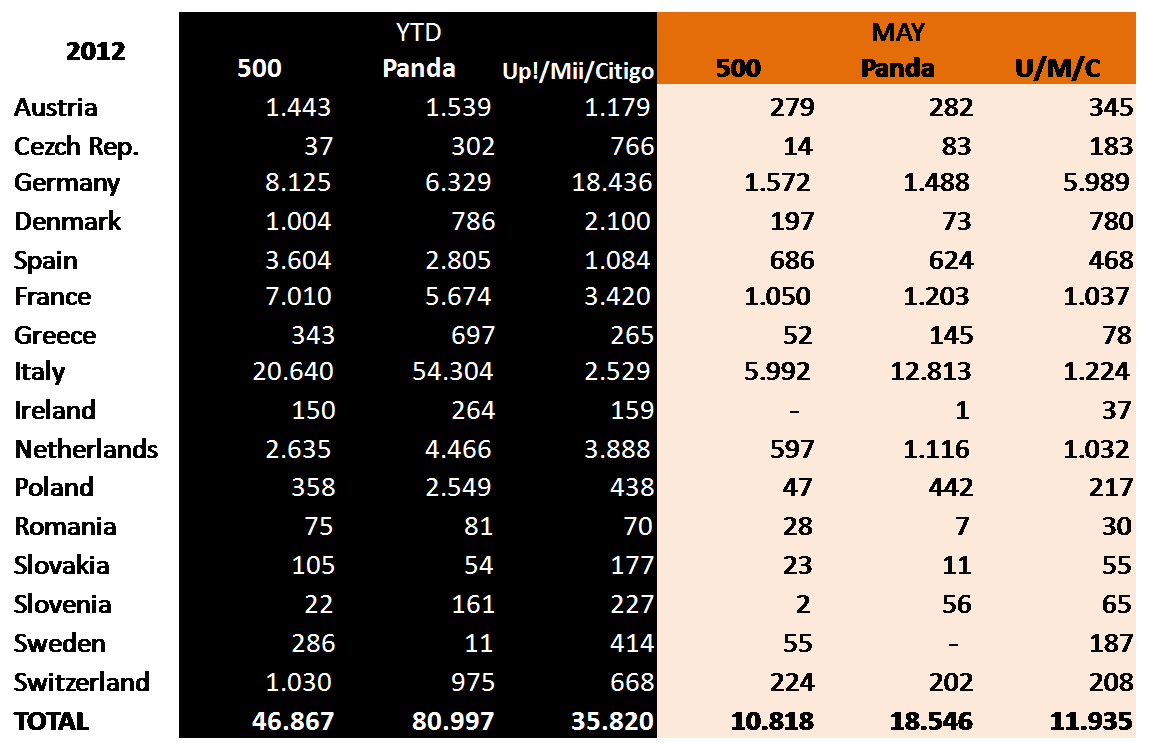
The first thing that must be considered is that UK sales figures were not included in the analysis as there is only data for 10 best selling cars. The lack of UK results affects considerably Fiat 500 as it was the tenth best selling car in that country during May/12 with 2.823 units. So the countries to be analyzed were the same of April’s analysis: Austria, Czech Reublic, Denmark, Germany, Spain, France, Greece, Italy, Ireland, Netherlands, Poland, Romania, Slovakia, Slovenia, Sweden and Switzerland, or in other words, those European markets with available data. In May/12 the trio Up!/Citigo/Mii sold more than Fiat 500! it is the first time the small VW have better results than the popular 500. The Germans sold 11.935 units, up 44%, against 10.818 Fiat 500, up 23%. Unlike what one would think, the difference is explained by what happened in smallest markets because both models sold pretty much the same in their native countries: 6.000 units in Germany and in Italy, and vice versa, 1.224 units of VW sold in Italy and 1.572 of 500 sold in Germany. In France they both sold more or less the same, around 1.050 units. But the big differences come from Netherlands and Denmark where the VW Up! has become really popular. In the rest of small markets people are shifting from Fiat to VW. But the analysis must be also done taking into account Fiat Panda figures.

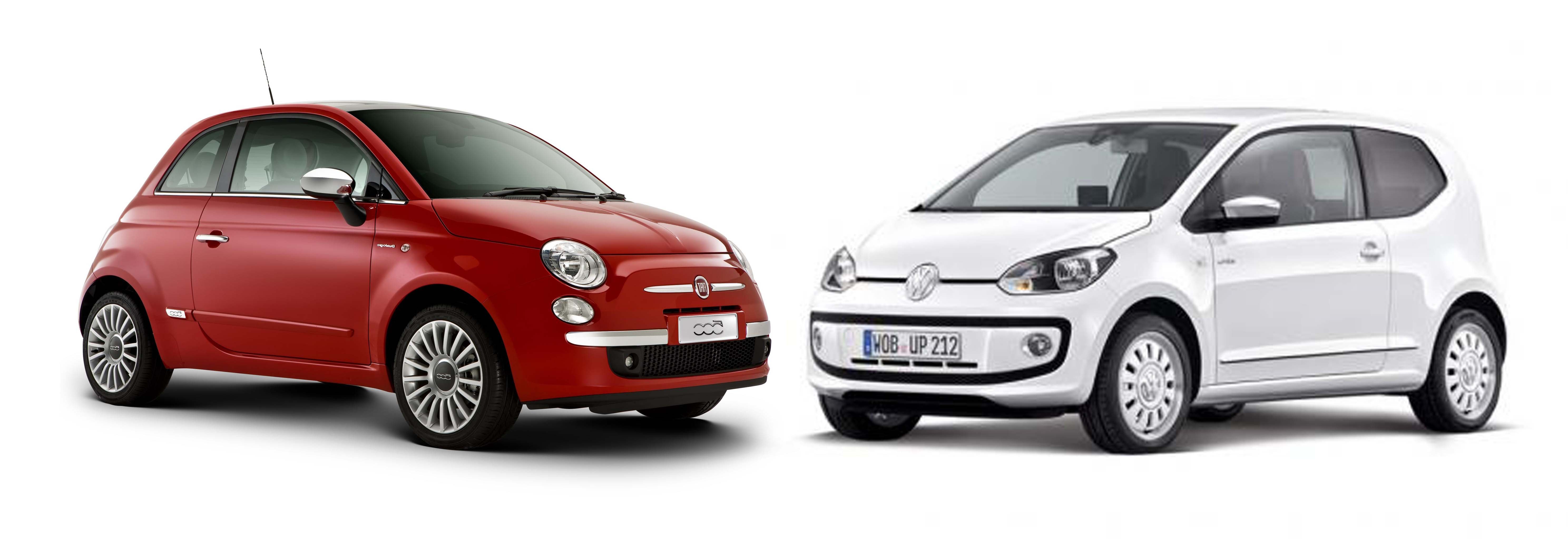
The Fiat 500 has to compete with not only one member of VW family but 3: the VW Up! 3d, Seat Mii 3d, and Skoda Citigo 3d

The third generation is doing quite well in Europe. Although it has not reached yet its predecessor sales numbers, the small Fiat continues to increase the number of units delivered. In May 18.546 Pandas were sold in these countries, up 11%, less than its brother and Germans competitors, but is still the absolute leader of the segment (it was Europe’s 9th best selling car). Of course it depends a lot on Italian market, where it sold 69% of the total, but the new car had interesting numbers in the Netherlands (beating the German trio), and Germany. Anyway in Panda’s figures there are included both, the previous and new generation. It had some problems in Austria, Denmark and Spain, but its registrations in Italy rised 19% compared to April figures. Both Fiat results indicate that the brand is still the leader of the segment as they sold 2.5 more times than the 3 VW. And that’s the point to be considered. It is true the Germans passed Fiat 500 sales by more than 1000 units, but it is also true that in that comparison there are included 3 ‘different’ models (Up!, Citigo and Mii) against just one, the Fiat 500. It is also true that though the German trio sold more than Fiat 500, in the first case there are included two body types, the 3 and 5 door versions, while the Fiat 500 is only available in 3 door version. At the same time the comparison does not take into account that Germans are in their first months of commercial life, while the 500 is on its 5th year. And in the case of the Panda, the same problem of body type could apply. It is also relevant that Italy represents a big part of Europe’s A-segment car sales, and it is now facing really tough times.  In terms of costs is very important to mention that the 500 and Up!/Mii/Citigo are all made in low labor costs countries (Poland and Slovakia) while the latest Panda is made in Italy, where labor cost is higher. And finally one important thing to consider is that Fiat may be the leader of A-Segment but is now competing with the big power and excellent marketing of Europe’s largest car maker.

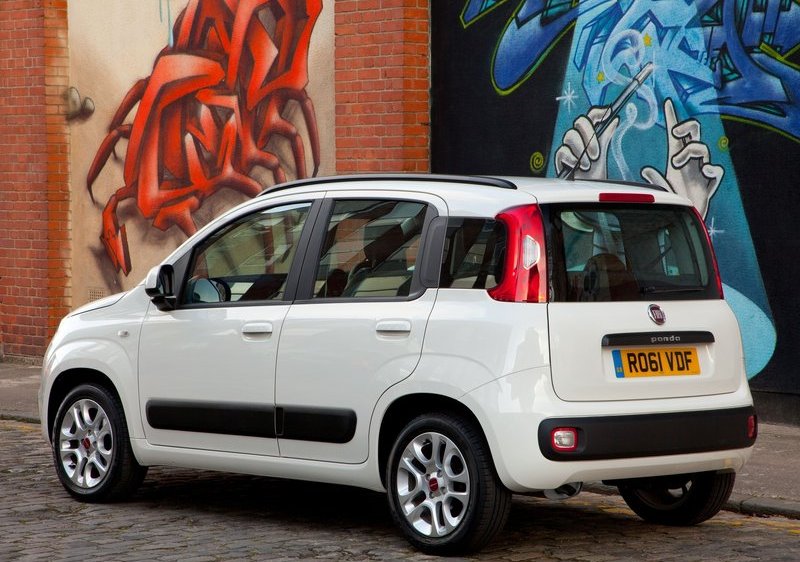
Fiat Panda offers much more habitability than its German competitors as it is conceived as a small utility vehicle and not as a regular A-segment car.

Year-to-date results show that Fiat Panda reigns and accumulates sales equivalent to the sum of Fiat 500 and VW Up!, Skoda Citigo and Seat Mii. The German trio is still behind Fiat 500 by 11.000 units as it had a very bad begining. But things seem to change and they finally begin to be a threat to Fiat 500 leadership, unlike what happened during April 2012. The VWs reigns in Germany but with very far sales numbers from what is seen in Italy with Panda. And also in the land of Skoda Citigo, Czech Republic; in Denmark where the VW Up! could become the country’s best selling car. Also in Slovenia, Slovakia (the country where they are produced) and Sweden. On the other hand both Italians are extremely popular in Italy, France, and somehow in Germany and the Netherlands. No matter what the reason is for this change in A-segment market, it is clear that Fiat must do something to maintain the sales of its beauty 500 or maybe accelerate a big facelift, well they can not loose market share in the only segment where they feel secure.

Sales figures for Fiat 500 and Panda, and VW Up!, Skoda Citigo and Seat Mii. Source: bestsellingcarsblog.net


Click here to see Fiat Panda/500 vs. VW Up! June 2012

Click here to see Fiat Panda/500 vs. VW Up! April 2012

China: the countdown has finished

Today is a special day for Fiat-Chrysler Group. After some years dealing with unsuccessful joint ventures, the group has finally began its new age in China. Sergio Marchionne, Olivier Francois, and Mike Manley, among several others, have inaugurated the plant with their Chinese partner, Guangzhou Automobile Group in Changsha in central China. It is the place where from today the ‘Fei Xiang’ model (aka Viaggio) will be produced reaching in the first year 140.000 units  in a plant that can produce 400.000. Fiat has a lot of expectations about this product because it will be the last opportunity to finally sell a competitive car and get  an important part of Chinese sales. Last year the brand sold only 991 cars while GM or VW sold more than 2 million units. Although the group has arrived late in this important market there is a good mood about Italian cars and therefore they expect interesting results to reach 200.000 units by the year 2014, not bad, but very far from its European competitors. The Viaggio (aka Dodge Dart) is part of a new model that will be sold globally and is expected to arrive in Europe in 2013 with other body type to replace the bad sales figures of Fiat Bravo. Therefore it belongs to Chinese C-segment, the country’s largest: almost 5 million units sold that represent 20% of the market.

A Jeep Ad in China

But it is not the only news coming from China. Today they also began official sales of Chrysler 300 imported from America. That’s why the car will have a very high price in a unique version at 486.900 yuan or $76.000. The price will certainly affect its sales to become a car only for real fans as all its competitors from Europe (Audi-BMW-Mercedes) offer cheaper versions of their E-Segment cars. It means the official comeback of Chrysler but if they want to get an interesting piece of this important segment (6% of Chinese market) they must consider building it in China. Meanwhile Jeep is considered the brand with highest potential in China and that’s why Fiat may be considering building them in the same plant of Changsha (close to Hong Kong). In the other hand there is also Alfa Romeo, that according to Dunne & Co, a specialized company in Asian car markets, Chinese consumers love Italian fashion and Alfa could benefit from that feeling only if they offer the best products. A lot of opportunities that only confirm what Marchionne said: “We have a lot of work to do.”

India, the next step for Fiat Panda

Although there is no confirmation from the brand, FGW had access to some information regarding the fact that current Fiat Panda will arrive soon in India. It is actually a possibility known from before but that is getting more solid as other car info sources begin to talk about. According to it, the small car may be available in India’s dealerships in 2013 but it might have another name (maybe Uno?) and Fiat thinks to sell around 24.000 units in the first year. The product must  allow Fiat to reach its target sales of 130.000 units sold by the year 2014. It is without any doubt a very optimistic number as Fiat figures in India have dropped considerably during the last months (in the first 5 months of this year, sales have fallen 28% in a whole market that grows 12%). Anyway the Panda would the right product for that. Actually its second largest market could become India, as its characteristics fit very well into Indians needs and desires when buying a car.

India is by far the largest market for small cars. 41% of total car sales during 2011 corresponded to A-Segment cars, which is more or less 1 million vehicles. They just love small, cheap and practical cars, because most of them are shifting from a motorcycle to their first car. And from A-Segment cars they prefer 5 door tall body type with small but efficient engines. Suzuki is the leader of the market and the segment with its popular Alto, A-Star (aka Alto), Wagon R, Ritz (aka Splash), Estilo and 800. 6 options just for one segment, and most of them 5 door tall compact cars. The same what Panda offers: a small and tall A-segment car with big interior space and efficient engines. But why has not Fiat thought about selling it before? Indian sources says that it is because of the agreement signed by Fiat and Tata, in which Tata asked Fiat not to produce the Panda in India as it could become a real threat to Tata Nano. But those are just speculations. However, now that Fiat is on its way to sell its cars directly, the Panda could arrive soon and maybe hit the market with its great body shape, awesome interior and terrific MultiAir engines. This scenario could be only possible if Fiat decides to produce it locally as imported cars are highly charged with taxes.

The Panda, which continues to lead A-segment sales in Europe and became Italy’s best selling car, could reach interesting sales figures taking into account the results of its main competitors. The Maruti Alto sold more than 310.000 units, followed by Wagon R with 147.000, and Hyundai i10 with more than 138.000. In other words, India could work as USA works for Fiat 500, which has become its second largest market after Italy. If Fiat wants to become an important player in Indian market must consider a specific product for it. The good thing is that the same product they successfully sell in Europe could fit perfectly Indians desires.

What if there was an Alfa Romeo citycar?

Alfa Romeo Sparo. Render by Jung-Kyu Park and Rahul Sadwelkar. All Rights reserved.

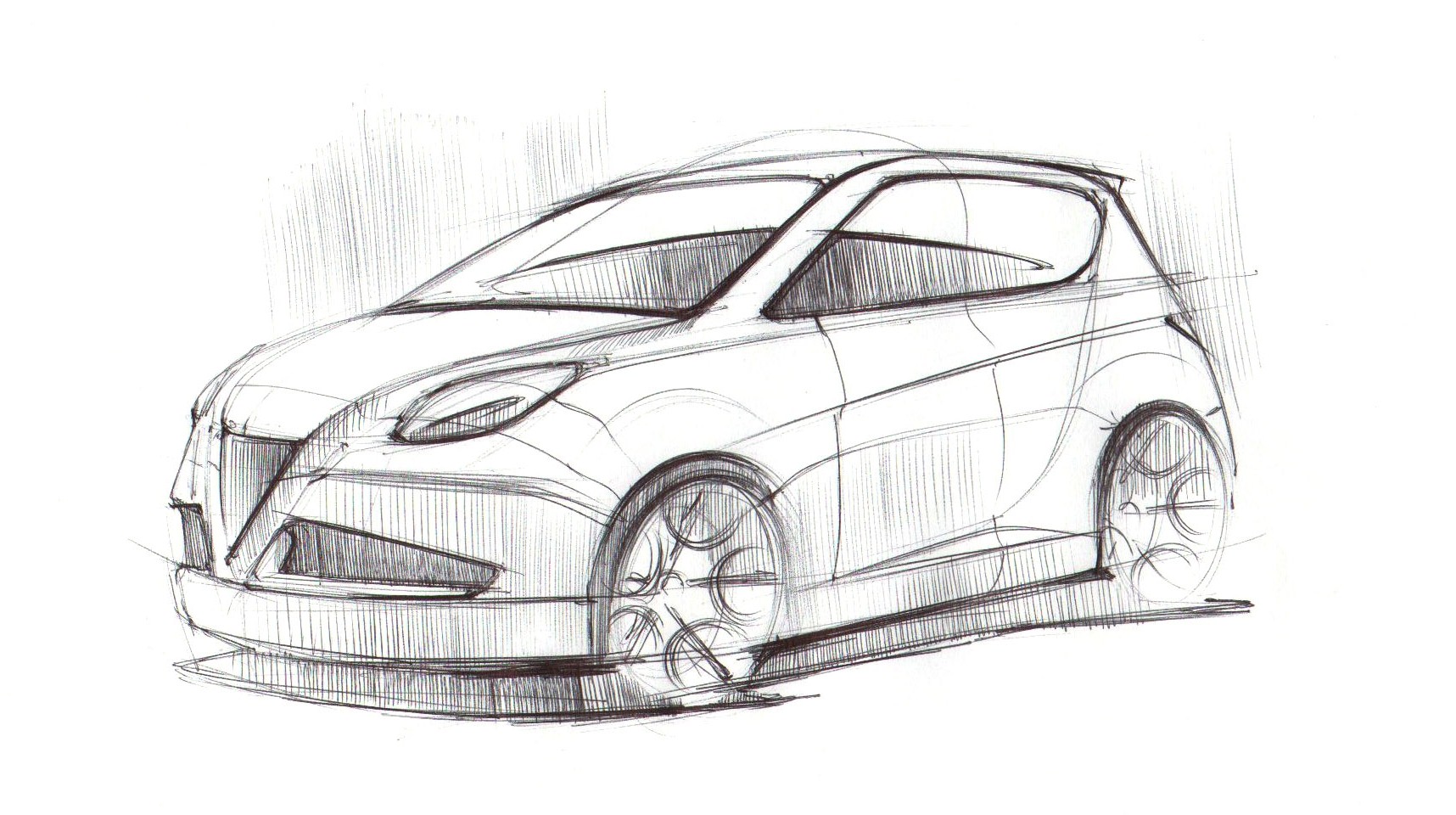
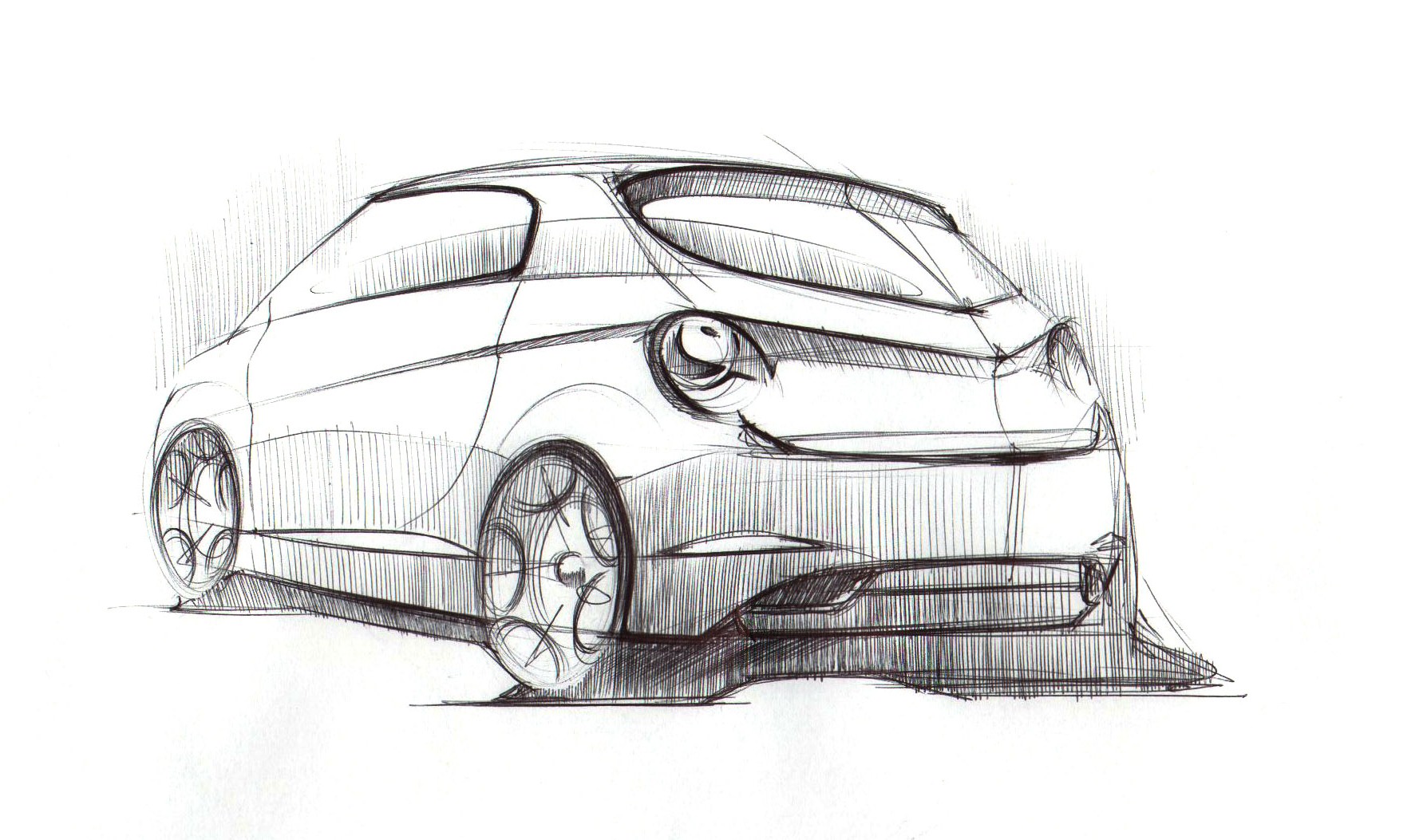
It does not sound usual the idea of a mini Alfa. This Italian brand has been always associated to sportiness, performance and premium cars, and therefore a small citycar with Biscione logo does not fulfil quite well those values. Nevertheless I would like to share with you a project I made with some colleagues in which we explore the posibility of launching an A-Segment car for Alfa, and analyse the way they could do it always keeping in mind the brand’s main values and image. At the end it was just an academic exercise to understand some Marketing basics, but the research showed us interesting things about the segment, the brand and what users of this kind of cars think their car should be. As the presentation is in Italian I will make a quick overview of it here for non Italian speakers.

Alfa Romeo’s current range. Just 2 models

First of all we analyzed the situation of Alfa Romeo as a brand, ant the future of it. We took some information from the teacher, who works in Fiat Auto in Turin, and there we had access to some statistics about future sales of the segment and general market. The outlook to the brand showed us the bad situation it is facing now with only 2 models available, and sales figures dropping considerably i both, Europe and Italy. But we found also that the brand has a strong image among buyers and a very good awareness. People can identify an Alfa, something that is really good especially now when all cars are becoming similar. Besides its history is perhaps one of most interesting ones among car makers. Those good aspects could work very well in its expansion plan in the US and China markets, and could be the base for positionating the brand as the unique Italian touch brand for premium sporty sedans. In the other hand there are Alfa’s known problems: quality problems in the past, no hybrid engines, no trully sporty cars and just 2 models available. While competition from Germany and Korea is getting really strong everywhere.

Current A-Segment offer in Europe

Then, after looking at Alfa’s range with its Giulietta and MiTo’s versions, we made an outlook to A-Segment in Europe. In terms of characteristics of the car is more or less the same for the rest of markets. The segment has positively evolved to keep a total market share around 9% thanks to more offer (in the last 10 years the options available in the market doubled) and due to higher gasoline prices. Of course Fiat is the absolute king of the segment with its Panda and 500. And when it is about the future of the segment there are certainly some things to clarify. First of all the tables showed in the presentation are based in a specific file given by the professor for the exercise. But as it is evident, those numbers are  excessively positive as they consider the crisis would be finish in the coming months and for the next 10 years both, total European car and A-Segment sales would grow up. Maybe the segment could have an even larger share but I personaly think the bad situation of today will last for at least 2 more years and the sales figures we saw 5 years ago won’t be seen in a while.

Alfa Romeo ‘Sparo’. Sketch by Jung-Kyu Park. All rights reserved

After that we began to describe the type of client for our Alfa after taking into account more information given by the teacher about customers description for each A-Segment car offered in 2007. Their economic situation, age, social life and they interaction with their cars was a key information for us to visualize the type of client we could find. And we found it. Unlike most of Marketing analysis in which they target young people, we found a possible kind of consumer between 50-60 years old, already retired that is looking for emotions in a car just to move in the city. This person would have a second and larger car driven by his spouse and he would like to have a small car only for him, no kids and with the advantage of being compact enough to go wherever in the city and feel high performance sensations with the latest technology. If we see what the market offers now we could only find the Smart fortwo Brabus and Abarth 500 starting at 18.000 euro. But the Smart is really small and not fun to drive, while the Abarth is more for young people to go on the road as in a circuit. There is no other small car to offer dynamic drive, good performance and luxury at the same time, with a strong personality. And that’s where we think there might be an opportunity for Alfa.

Alfa Romeo Sparo’s interior. Render by Alberto Roncalli. All rights reserved.

Therefore we developed the ‘Sparo’. A 2 seats, 3.3 m long citycar with a strong personality and a  large variety of efficient hybrid engines. Alfa could make use of Fiat’s latest technologies with small TwinAir engines and mix them with electric ones to create the first Hybrid Italian car, especially now when Italian government said they will help low emissions cars with less taxes. We arrived to some design shapes to see how the car would look (strongly based on MiTo) with a very unique interior (to repeat the success of Fiat 500). All these characteristics should be the base to positionate the car as the unique trully sporty citycar that offers dynamic sensations, practicality and Alfa personality. It should be know as the car to ‘live the city’. But the car would not be cheaper than the MiTo, though it would be smaller. We think Alfa can’t offer a more basic option than MiTo as the brand is to be known as a premium one. In this vein, the ‘Sparo’ (which means gunshot in Italian for small, fast and efficient to arrive wherever we want) should be positionated between the MiTo and Giulietta starting at 16.000 euro for the basic version up to 23.000 euro for the best one. The high prices are due to local production (for image reasons the car could not be produced outside Italy), and hybrid engines. Eventhough the automotive crisis would affect its sales numbers we believe this kind of target is not really suffering a lot in these days as they have a medium-high income which is practically fixed (retirement). Of course, as the target is really especific, Alfa could reach it through BTL ad such as social networks or blogs, that are highly used by this people as they have a lot of free time and they want always to be updated about the latest trends and technologies.

Alfa Romeo ‘Sparo’. Sketch by Jung-Kyu Park. All rights reserved

Although we concluded there was an opportunity for Alfa only if they focused on that kind of client and positionate the car as said before, I personally think Alfa Romeo should first develop its larger model range (D and E segment besides sporty cars) and then focus on a car like the ‘Sparo’. They can not say they are a premium brand when they do not even offer a sedan. Actually I believe the MiTo should not exist as it affects negatively the image of a premium and sporty Alfa (especially the version with 70 and 78 hp). Audi has done it with the A1 but after positionating their larger models and telling the market they are really premium. But doing it in the opposite way would only create more confusion about Alfa’s real values. Below you can find the link to see the whole presentation (in Italian):

Marketing Auto. Progetto City car Alfa Romeo 2012

This exercise was made for Marketing Auto subject with my classmates: Jung-kyu Park, Alberto Roncalli and Rahul Sadwelkar.

Learning about cars: the F-Segment

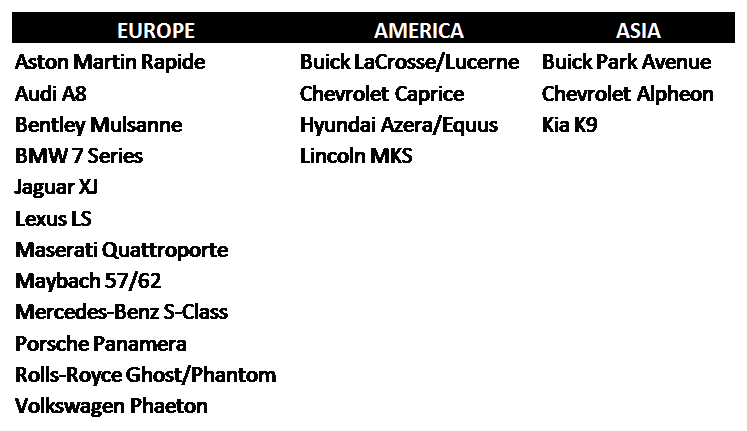
It is also called the G-Segment, but for order reasons here it is called ‘F’ segment. Corresponds to the maximum level of luxury and engines of passenger cars. It is also the top in terms of prices (though there are even more expensive sporty cars) and is more or less the referent for the latest technologies to be seen in future cars. As the market in terms of units sold is not so big, therefore the offer is very concentrated and competition is really hard: Germans rule but are now facing new competitors from Asia, where the segment is growing really fast, especially in China. The cars that belong to this segment are more than 5m long in a sedan body type, normally for 4 passengers but with focus on the back seat as the owner or main target of these large sedans is a rich person who normally does not drive. These cars are normally used by chiefs of states, royalty, celebrities or important CEO around the world.

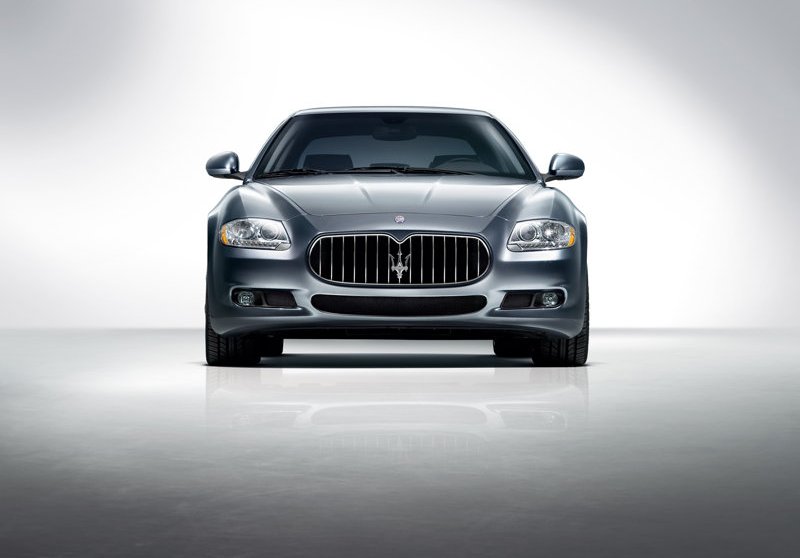
The Maserati Quattroporte was presented in 2004. In Paris 2012 they will show the new generation

Last year more than 400.000 units were delivered all over the world. By markets, it is USA the leading one with almost 200.000 units sold, but then comes the rising China with more than 106.000 units. But it is in the Middle East where they have the largest market share: in Saudi Arabia they represented 4% of total car sales! and in Kuwait, 4.8%! very big numbers for cars that have prices startig at $80.000. In fact some of these cars are among 10 best selling cars in those countries, something unusual and just possible in really high income economies. As said before, Germans control the segment with their flagships: 7 series from BMW, Audi A8 and Mercedes S-Class. But British are also strong with their famous Rolls-Royce and Bentley, both owned by Germans (BMW and VW). Japanese are not quite popular as they began to develop F-Segment cars late back in the 80’s when they realized how popular they were in America. It is why they created premium brands such as Lexus (Toyota), Acura (Honda) and Infiniti (Nissan). From them, just Lexus could be considered global, though Infiniti is growing up so fast and soon will have an own factory in China. Koreans have always worked on them, but with low success outside Korea. Anyway their latest products have demostrated how well prepared they are to compete in equal terms. And finally French and Italians. First ones don’t offer anything as they are not even popular in E-Segment, and second ones are present with one model that it more or less popular, the Maserati Quattroporte.

It was the first to introduce a perfect mix of elegance and sportiness in a sedan

The interior of Maserati Quattroporte Sport GT S Awards Edition

The situation of Fiat-Chrysler in this segment is a bit complicated. In one hand they have the strong awareness of Maserati brand, almost as popular as Ferrari. But in the other hand they don’t make useful of it to enlarge the range of models or offer more versions. It is why even in Italy the Quattroporte is not the best selling car of the segment, and is behind the usual 3 Germans. Maserati is the brand that makes the cars Ferrari can’t do: sedans and SUVs. The Quattroporte is an awesome car with gorgeous design and with the best Italian engines. But the car is old and is not moving as fast as its competitors from the north. The new generation is expected to be presented in Paris/12 and will have the task to increase Maserati’s market share in the segment and so allow the brand to reach around 60.000 units sold per year. The best  this car has is its great mix of sportiness and elegance, something that its competitors can not offer (with the exception of Porsche Panamera). If Maserati continues to positionate it like that, they  might get an interesting piece of the market with those looking for luxury and dynamic sensations. Therefore Fiat has a big potential with this model which had the best sales in USA, China and Italy in 2011.

All F-Segment models available around the world

Click here to see ‘E-Passenger’ Segment

Click here to see ‘B-SUV’ Segment


Europe: a new segment is born

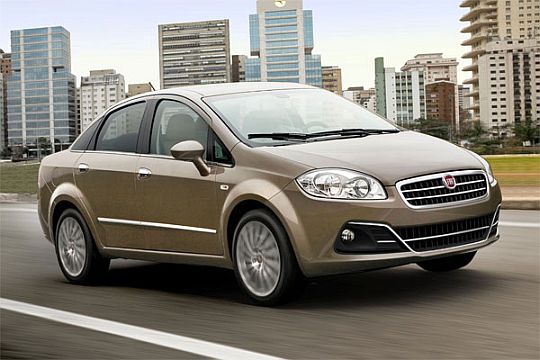
The Fiat Linea MY 2013 is the best selling car in Turkey and is also produced in Brazil and India.

Europeans love hatchbacks for the starting segments: A, B and C. It has been a constant during the last 20 years when this kind of body has become the most popular in the continent. All car makers offer a hatchback, premium Germans included, and VW Golf 3/5 door hatchback has ruled for a long. But cars as other goods depend a lot on the way economy goes. The last 3 years have been difficult for European car market, and it seems it will last for other 3 or 4 more, and car makers are changing their future plans in order to maintain their positions in the market. Part of this strategy is to understand consumer’s behavior  in a difficult period like this, and offer the right product for the right time. Western Europeans are now looking for sedans in these segments, something that was not even considered by a lot of carmakers as their offer was limited by hatchbacks body. The crisis might had an effect on what some Europeans are looking for in a car as their income has decreased, and their future is quite well uncertain. Now they want less prices and more roomminess and only a sedan can offer it.

The turkish Linea is sold in some Western European countries but has not been successful at all. The car is 4.44 m long

Therefore the segment of B and C segment sedans could be arriving to West Europe because of the latest announces of important car makers such as PSA and VW. This segment is more known in emerging countries where most of buyers look for a small-medium cheap sedan with independent trunk. Fiat Linea or Siena/Albea, or VW Voyage, Suzuki D-Zire and some others have been offered in Brazil, Turkey, India and some other important markets but never in Europe. This week, though, VW showed the first images of their new B/C-segment sedans: the Skoda Rapid and Seat Toledo, while PSA did the same with their 301 and C-Elysée. In fact is not easy to positionate them in a specific segment, as their measures are long but their prices won’t be high: the Rapid should be located between the B-segment Fabia and C-segment Octavia, while the new Toledo would be between the Ibiza and Leon. Peugeot has said that its 301 will be the cheap version of 308, which is C-segment, but in reality it looks more like a 208 sedan. Anyway, these 2 Europeans car makers realized that people may be wanting other kind of car in this period. It is why this new sub-segment may be rising only in Western Europe, though the big part of sales is abroad.

Fiat Linea interior based on Fiat Punto MY 2013

Fiat, a strong player in low segments lacks of an interesting sedan. In some European markets, like Spain and Greece they already offer the Linea, the sedan version of Punto produced in Turkey, where it is the best selling car. But sales numbers of this large sedan (4.44 m) has not been good in the rest of the continent. The car is really cheap and big inside, with an enormous trunk but very small engines and poor quality. The car is not even offered in Italy as people don’t like it, but what if Germans and French are successful with their new small sedans? Fiat should repositionate this model and offer it with better engines and quality and at the same time make useful the advantage of producing it in a country with lower labor costs than Western Europe. The car could have interesting numbers if they change the way the sell it and offer a medium sedan with great roominess, and add the latest engines Fiat has developed in Italy. Time will show how right were Germans and French by offering these new cars and how wrong was Fiat not making useful of this interesting sedan.

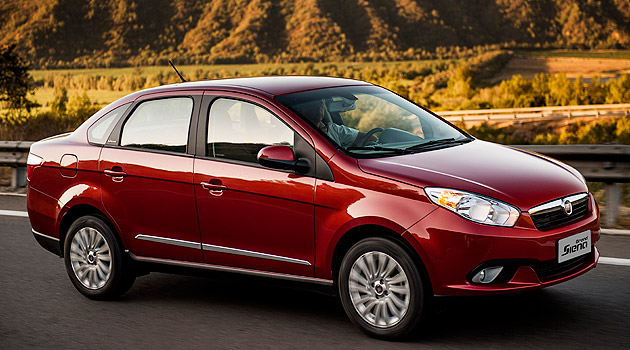
Fiat Grand Siena, launched in March/12 for Brazilian market. An enormous success