Mazda and Alfa Romeo have announced Wednesday they have signed an “intention” agreement to share a platform for their next MX-5 and Spyder, both with rear wheel drive. The press release indicates that by the year 2015, Mazda Hiroshima’s factory would be ready to start exporting both cars while both companies could be sharing costs of development and production. It is well known that Mazda, as indepent car group, is facing financial problems and needs urgent help from other car manufacturers to develop its future platforms. On the other hand, Mr. Marchionne from Fiat has said Fiat needs an Asian partner to become more global or at least to share costs for the development of future models. As Alfa Romeo needs urgently a small and sportive car, and Mazda has been doing it pretty good with its successful MX-5, both companies could join forces to get the next generation of both models. Of course, engines and final design should be indepent as most of production of this new Alfa is suposed to go to America, where this kind of cars is more popular (C Sport segment sold 5.674 cars in 2011, while D Sport one sold 225.939 units). A good start for a possible future alliance.
Author Archives: Felipe
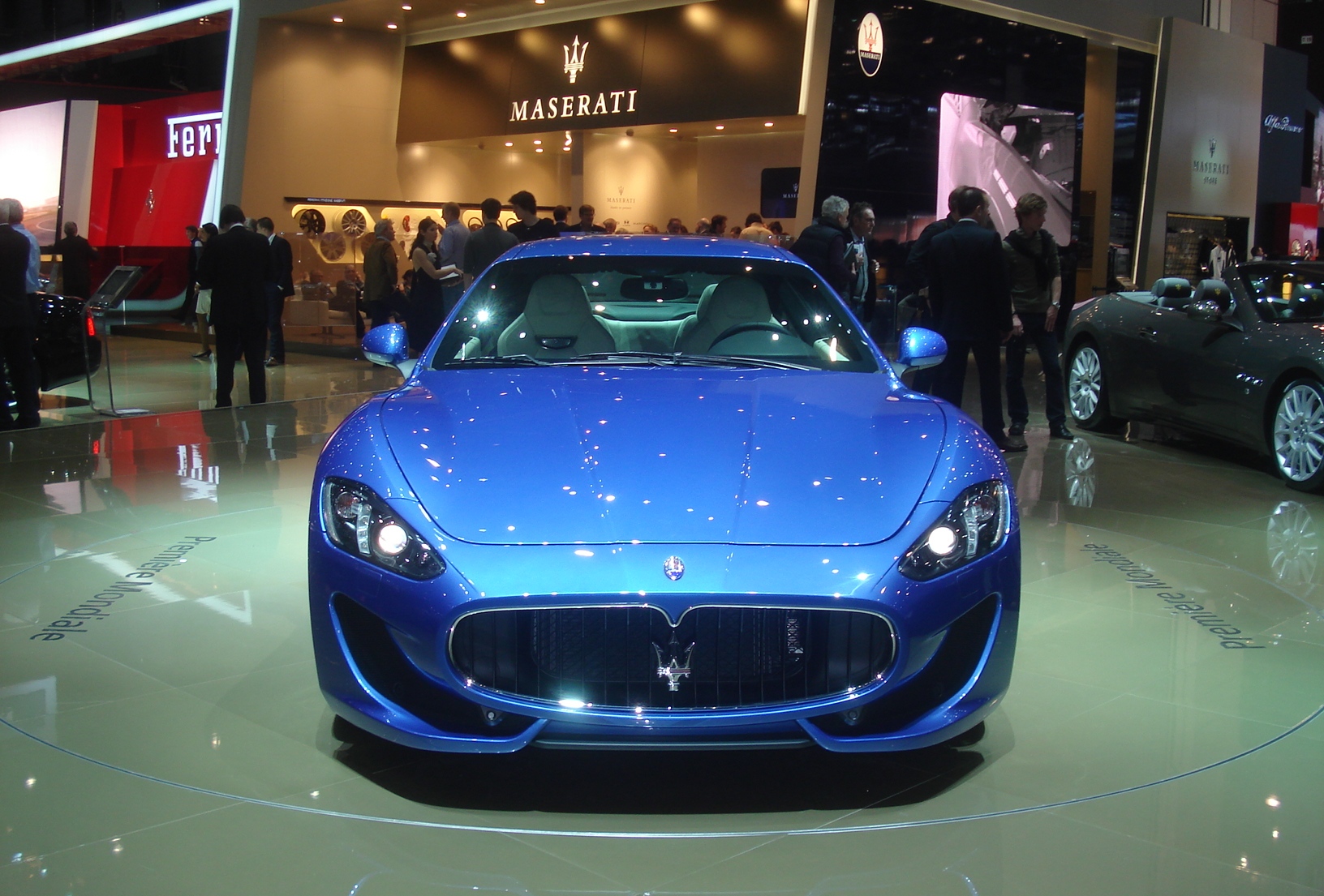
What comes for Maserati
From 6.000 to 50.000 units in 4 years. That’s Maserati’s main goal and therefore the brand of the group with the most ambitious plans ever. It seems to be easy, as the final goal is not really a big deal for an automotive group that sells around 4 million units per year. But those units refer to a brand that seems to be more craft made than mass production. Maserati is nowadays Ferrari’s second line of products: an exclusive brand with high class models for rich people. In other words, it is the brand that makes the cars that Ferrari can’t do: a large sedan and more fancy cabrios and coupes. It has worked like that for decades and it has allowed it to gain an enormous reputation as luxury, fancy and high class Italian car. Now things hava changed and Maserati is getting ready to open to new things: new models, new markets, new conceptions of luxury. And the first step will be accomplished by the year 2016.
The brand offers two different models at the moment: the ‘F’ segment Quattroporte (on sale from 2004) and the twins GranTurismo and GranCabrio. There were sold 6.159 (+8,5%) of them in 2011 all over the world. North America counts for 40% of total sales, followed by China (13%), Italy (7%) and Japan, the UK, UAE, Australia, Germany and Switzerland. It means Maserati could be the most global brand of the group in terms of diversified sales. It is a good begining for a brand that wants to become a global player in the luxury segment. Its good image can be found everywhere thanks to its solid reputation, quality of its products and awesome marketing. It can be also explained by the good partnership there is between Maserati and Ferrari. But selling just two models starting at US$134.000 is not the best way to increase sales. They must find the best way to become more ‘popular’ without risking the reputation of the brand. Harald Wester, Maserati’s CEO, and his team will do it.
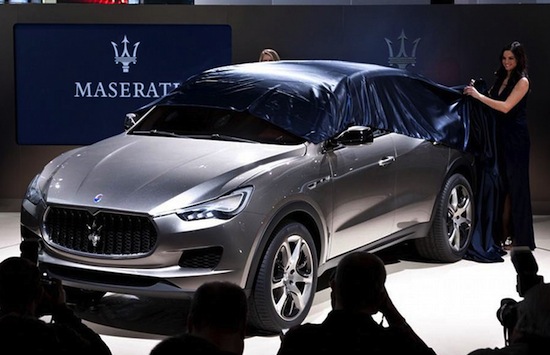
The plans so far include an ‘E’ segment sedan to compete with Mercedes E Class and BMW 5 Series. This sedan, that some people say will be called ‘Levante’ will have the biggest part of the job: it is expected to sell 30.000 or half of the goal. According to Italian press, it will be presented in 2014. The possible Levante should be the access model to luxury sedans of Maserati and could be launched at US$90.000. Meanwhile the already known Kubang (the name should be changed for the production version) will make its debut in 2014 sharing platform with Jeep Grand Cherokee. It’s a pitty to wait so long for this beauty SUV, as it really liked most of specialized press and public. The Kubang could be an enormous success in China, USA and in the Middle East but to wait until 2014 would make competition even harder as Germans are preparing to increase their Luxury SUV portfolio: the next Bentley, the Cayenne and next Pajun and next Audi Q7. The large Quattroporte is also getting ready for its next generation to be shown in Paris 2012. It will be a referent in the ‘F’ segment for its quality and beauty. Finally, another sporty car might come. The Alfa 4C to be launched in 2013 should be the base for a extremely light Maserati, which would be more a marketing product than a real player to get more sales as they would produce around 1.500-2.000 units/year.
Maserati has a lot of potential. It can become the Italian Porsche: they can offer a lot of models that Ferrari must not. Maserati must develop at least 2 SUV focusing on Chinese and Middle East markets. At the same time should increase the options for ‘F’ passenger cars segment with more versions for the Quattroporte (larger version for China). They should accelerate the project of possible Levante and there offer the best Italian luxury sedan with the best performance options with possibility of other body types: cabrio and coupe. In the sporty range, they should develop smaller cabrios and coupes, with Ferrari engines, and accelerate the succesors of GranCoupe/GranCabrio. All those models would allow Maserati to become even more attractive and known by high clasess all over the world. In other words: Maserati should become a real threat to Germans: Mercedes, BMW, Audi and Porsche, increasing its range of products but keeping its exlusiveness, something that are loosing those Germans car makers. Doing that, Italians could reach almost 200.000 units, by increasing registrations in its native Italy, Europe, USA and reach about 24.000 units in China, 20.500 in Japan and 40.000 in the Middle East. Non of those numbers are unreachable.
Suzuki to marry Fiat?
Big news are coming from India. After months of speculations about possible Asian partners for Fiat, Bloomberg news had announced today the possible alliance between Fiat and Suzuki. According to the site, after Fiat’s decision to split its sales operations from Tata, the situation is different now for Italians and their intentions to increase their presence in Asia. At the begining of May/12 Fiat decided to stop sharing car dealers with Tata for the sale of its Punto, Palio and Linea. At the same time, in Turin, Mr. Ratan Tata, Tata’s CEO, stoped being part of Fiat’s board after six years doing it. In the other hand, Suzuki is still fighting to get back the 20% of shares owned by VW, after some problems between them. In other words, both companies, Fiat and Suzuki, are not feeling comfortable with their current partners and after a divorce, a second marriage can be an option, especially in their case: they have working together since 2006 sharing engines and one model.
Certainly, Suzuki would be the perfect candidate for Fiat. It has an important presence in Asia, a continent where Fiat-Chrysler Group is pretty unknown. Italians know that for becoming really global, Asia must have an important place in terms of units sold. Last year, this continent represented just 3% of group’s global sales. By markets, India was the largest one for Fiat: 16.730 units sold (-23% year on year, and 0,7% of market share). Then comes Japan, where the small 500 is a bit popular: 13.425 units and 0,3% of market share. India represents 40% of Fiat Group’s Asian sales, while Japan 32%. Tiny presence in China, Southeast Asia and Korea. The opposite situation comes when looking at Suzuki’s numbers: more than 450.000 cars sold in Japan (is the best selling Kei cars brand) and 1 million in India with 41% of market share! They are also strong in Indonesia, and in China, where they sold around 300.000 cars in 2011.
Those numbers would fit perfectly in Fiat’s idea of increasing its presence in Asia. It is with no doubt world’s most important market, but to get an important market share, a car manufacturer like Fiat needs big investments that would become easier to make with a big guy from the region. In the other hand, Suzuki needs to expand its business in other emerging markets such as Latin America, where its presence is marginal and where Fiat is strong. It is also important to mention that both companies would benefit from an alliance not only in terms of geographic fit but also in terms of core business: both are specialized in small cars and are very well known for the efficient city cars. This would allow them to share not only engines as they do now, but also future platforms and increase their offer in A, B and C segment. In other words, an alliance Fiat-Chrysler-Suzuki would generate a very important global player with big presence in world’s main markets: China, USA, Japan, India, Brazil and Europe. What are they waiting for?
‘Fabbrica Italia’: how good is it for Fiat?
“There will be more Italy in the world”. A promise made by Fiat’s president, John Elkann and Fiat’s CEO, Sergio Marchionne, in April 2010 when ‘Fabbrica Italia’ was presented as part of Strategic Plan 2010-2014 for the group. The main point of that plan was to increase Italian car production in order to become of it one of Europe’s largest. In fact, by the year they confirmed the plan, Italy’s output was only of 800.000 cars per year, very far from its neighbors Spain, Germany and France. Main features of ‘FI’ were: to double production of cars (up to 1,65 million), while 70% of Fiat’s investments would be located in Italy. The plan included also the goal to increase the number of Italian cars to be exported from 44% to 65%, or in other words, 65% of the Fiats produced in Italy would be sold in foreign markets. Nonetheless the good intentions, real situation 2 years later is very different. In 2011 there were produced 790.000 cars in Italy, 5.7% less than in 2010, when Italian output was 838.000 units. Certainly the results have not been the ones planned, as Italian car market is facing one of its worst years, while the economic crisis in the continent along with labor and strike problems in Italy are definetely affecting Fiat’s output. For 2012, when Panda’s production was moved from Poland to Italy, final numbers of cars produced will be even worse. So, were Mr. Elkann and Mr. Marchionne wrong by saying production should be increased by the year 2014? how useful is it for Fiat to increase production in its native Italy?
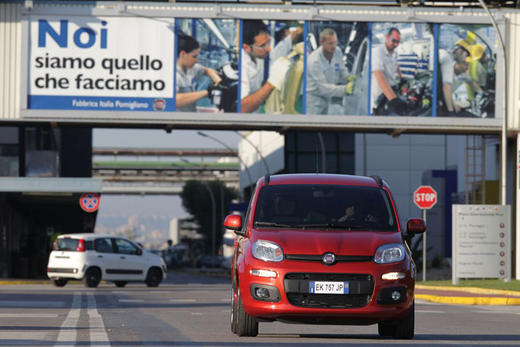
Part of ‘Fabbrica Italia’ had been complied: Fiat finally decided to bring the production of its best selling mini car, the Panda, back to Italy. The second generation of it was produced in Tichy, Poland, and it allowed to offer a very competitive product thanks to low labor costs. The Panda became Europe’s ‘A’ segment best selling car. The decision to build it again in Italy was not easy as it is a core product and Italian labor costs are higher. Nevertheless they rebuild Pomigliano factory making of it one of Fiat’s best factories in the world. In exchange they moved Lancia Ypsilon’s production from Italy to Poland as Tichy factory was only going to produce the successful 500 and its step brother, the Ford Ka. Nowadays the Italian Panda continues its success in Italy and Europe but the car is not as cheap as it was, while Italian economic crisis and continuous problems with Union of workers have affected initial targets. The situation was even terrible in March/12, when transportation strike did not allow Fiat to transport its cars from the factories to the dealers, something that was terrible for the new Panda, that had its first weeks in European dealers and was part of a nice introduction campaign.
All those problems would be enough to conclude that Italy is not the best country to produce cars especially now when emerging markets are becoming powerfull in terms of sales and production and labor costs. In terms of units produced and people employed/labor costs, all Italian factories (Mirafiori, Melfi, Pomigliano and Cassino) would not passed the exam. Brazil, Argentina, Poland and now Serbia are more efficient. But even like that, it is not enough to think that Italy is not a good place to produce cars for Fiat Group. Italy is and has been part of Fiat. It is not only the country were it was born but it is also part of its personality, of its moves around the world. Italy is a high valuable asset for Fiat as it projects its great image all over the world with its history, culture and what is known as the ‘Italian touch’. Fiat is what is has become thanks to Italians. Therefore the heart of the group must be always in Italy no matter where the brain will be located (Auburn Hills?). It means that production must go on with better perspectives in that country, along with better labor practices to make it more flexible and allow more efficient production. This would allow to have a more efficient Italy but at the same Fiat should not point all of its attention in just this market. In 2011, Italy represented 13% of Fiat-Chrysler’s worldwide sales, 26% of Fiat Group sales, and 55% of European Union sales*. To concentrate sales in few markets result in a dangerous task. Italy is important but can not be the whole. Meanwhile, Fiat’s guys must continue to open new markets always keeping in mind 2 things: productivity and Italian touch.
*FGW data base
Learning about cars: the ‘C’ segment
The cars belonging to this important segment are more or less the most popular cars on earth. According to last year sales numbers it was the largest segment by units sold worldwide and is still a very important one no matter the rise of other segments such as SUVs and MPVs. The main characteristic is as usual the length of the models: around 4,2 and 4,6 m depending on body type, which can hacthback (3 or 5 doors), sedan, station wagon and in some markets cabrio version. The main target of this segment are young families with 4 or 5 members who want roominess, comfort and quality. Depending on the market, most of these clients are really conservative with their choices as they have to raise a family and the income is good but unsecure for the future. It is why most of them don’t change the brand after years, if it results good enough and satisfies their needs.
By markets it is pretty popular everywhere but is in Europe and China where it becomes important. In 2011, 24% of cars sold in Germany were ‘C’ segment becoming the first segment by units sold. In the UK, it represented 20%, in Italy 15%, in France 16,5% and in Spain 26%. In Czech Republic was even more: 32%; Finland, 44%; Ireland, 30%; Norway, 25%; Poland, 26%. In America the compact cars had a 16,4% of market share, but in Canada it was 23%. China is by far the largest market for this kind of cars: 40% of 14.4 million passenger cars sold in this country belonged to ‘C’ segment. The reason of this result is that this segment represents the medium class, which is getting big in China and is the majority in Europe. It is why in other countries with more poor population, such as Brazil, Argentina, this type of cars are not popular at all. Therefore most of all car makers offer a model in this segment making of it one of world’s largest by offer, units sold and car body configuration.
In late 90’s some car makers realized that there were more car body types to explore from ‘C’ segment. French started with the proposal of the Renault Megane Scenic which was the first small MPV based on a regular car. After that more and more car manufacturers came with the same idea creating a new segment which is ‘C MPV’ to be analyzed in another article. The same happened to SUV segment. Some Japenese makers began to explore American market offering small SUV: Rav4, CR-V and some others creating the segment ‘C SUV’.
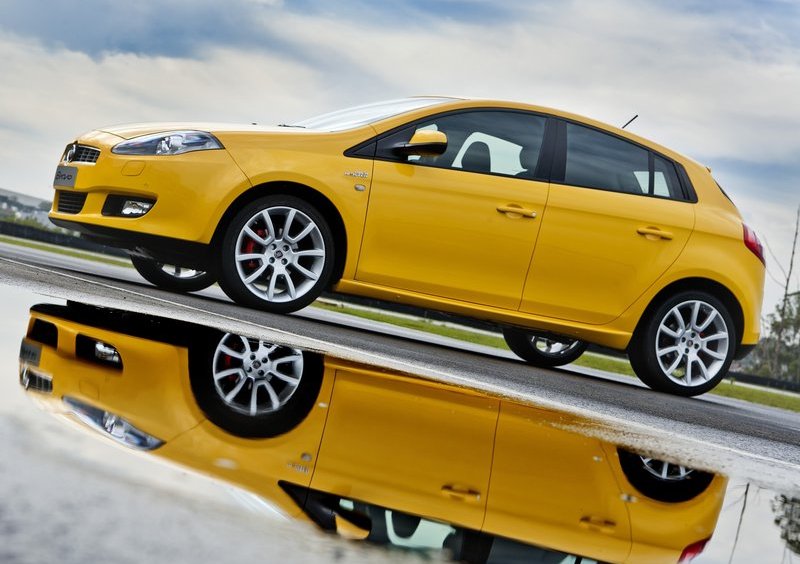
Fiat’s position in this important segment is bot the best one. In Europe they offer 3 different hatcbacks: the Bravo, the popular offer. Giulietta, the sportive one; and the Delta, the fancy one. Nevertheless the big number of models (only VW offers more than 3 models), the market share gained by them is still far from the initial target and is getting even worse. In 2007 they presented the Bravo, a regular but very pretty hatchback with modern lines and nice interior. This car has been a complete flop. Part of the reason is the bad image that left its predecesors, Stilo and Bravo/Brava. In its native Italy this hatchback can’t even sell more than VW Golf. Then came the Delta, a big ‘C’ segment hatchback car with lenght of 4.52 m making of it the largest hatchback in Europe. Its roominess inside along with the fancy interior and original exterior have not been enough to conquer other markets far away from Italy. The problem has been the lack of advertising, the image of the brand and poor recognition among buyers. Finally Alfa Romeo presented the Giulietta in 2010 after 10 years selling the 147. In fact this long period selling the same car affected Alfa’s sales because people were asking for something new. The awesome Giulietta was the answer. From the 3 offers, it is the only one more or less popular not only in Italy but outside. They did a good job with design, engines and especifications that allowed this hatchback to have better sales than its cousins, also because of its sportive image. In fact, in Italy it was number 10 in 2011 total sales ranking and gets really close to popular Golf. The problem now is that competition is getting tough because of the arrival of new generation of BMW 1 series, Mercedes A class, Audi A3 and Volvo V40. Besides the Giulietta, as its cousins, does not offer other body types such as a Station Wagon version, very popular in Italy and in Northern Europe. In the last days Alfa people had added more engine options to this pretty car in order to stop sales decrease seen from July/11 all over Europe.
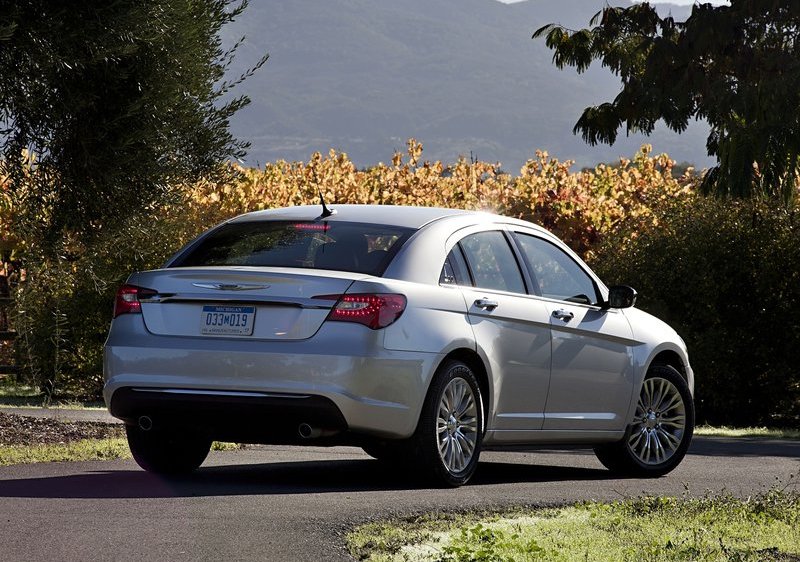
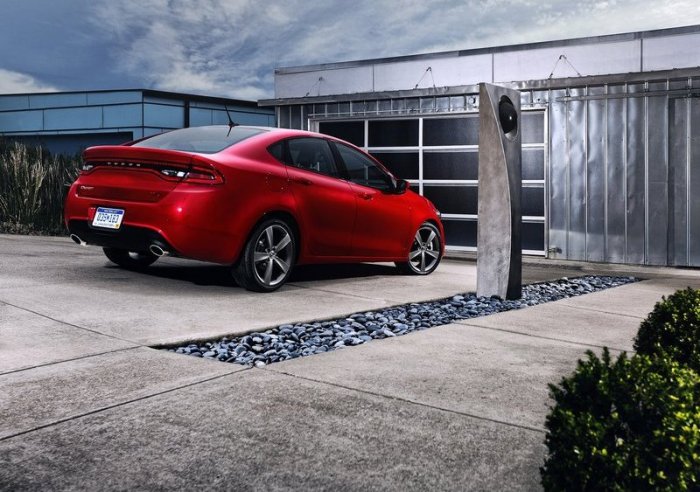
The situation is different in America: Chrysler offers the 200, which is becoming really popular also in Canada, while the Dart will come to shake the segment with very attractive prices and options. In Mercosur the situation is not the best. Fiat’s market share in ‘A’ and ‘B’ segment is not as successful in ‘C’ segment where people prefer other brands such as Toyota or VW, nevertheless the good option Fiat offers: Bravo and Linea. In China the Viaggio will do its best. Meanwhile Fiat must rethink its European and South American situation in order to become stronger in a segment as important as difficult. Here there are ‘C’ segment models:
EUROPE
- Alfa Romeo Giulietta
- Audi A3
- BMW 1 Series
- Chevrolet Cruze/Volt
- Citroen C4/DS4
- Fiat Bravo
- Ford Focus
- Honda Civic/Insight
- Hyundai i30/Veloster
- Kia C’eed
- Lancia Delta
- Lexus CT
- Mazda 3
- Mercedes A Class (new one)
- Mitsubishi Lancer
- Nissan Leaf
- Opel Astra/Ampera
- Peugeot 308
- Proton Gen/Persona (only in the UK)
- Renault Megane/Fluence
- Seat Leon
- Skoda Octavia
- Subaru Impreza
- Toyota Auris/Prius
- VW Golf/Jetta/Scirocco/Eos
- Volvo C30/V40
AMERICAS
- Acura CSX
- Buick Verano
- Chrysler 200
- Dodge Dart
- Fiat Linea (‘C’ segment in Brazil and Turkey)
- Honda City (‘C’ segment in Brazil)
- Hyundai Elantra
- Kia Forte
- Nissan Versa/Sentra/Tiida/Tsuru
- Peugeot 307/408
- Scion tC
- Toyota Corolla
ASIA
- Brilliance FRV
- Buick Excelle
- BYD F3/G3/L3
- Chang’an Yuexiang/Zhixiang/CX30
- Chery Fulwin/Cowin
- Chevrolet Nexia/Lacetti (Russia)
- Citroen C-Quattre/C-Elysee
- Dongfeng Fengshan
- Fiat Viaggio
- Geely Freedom/King Kong/Vision
- Haima Family/3
- Lifan 520/620
- Nissan Sunny/Bluebird
- Riich G3
- Roewe 350
- Samsung SM3 (Korea)
- Soueast V3
- VW Lavida/Sagitar/Santana
One more member to Cinquecento family: Abarth 695 Edizione Maserati
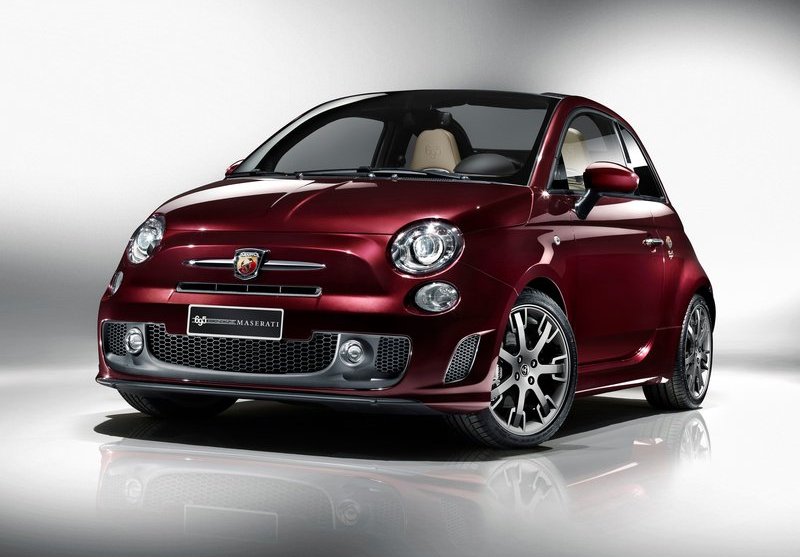
Finally, Abarth has shown its 695 Edizione Maserati. It was suposed to be presented in Geneva 2012 but without no explanation Fiat’s sportive brand decided not to do it. As they did with 695 Tributo Ferrari, this version of small 500 will have Maserati’s specific touches outside and inside while it will be moved by 180 hp. Certainly it is another hit by Abarth no matter its price (more than $50.000 €). The mini super car has also sequential gearbox ‘dualmode’ Monza inspired by Maserati Quattroporte and 17″ wheels with strong Maserati inspiration. Inside, Maserati’s luxury is evident: Frau leather for seats, carbon fyber cockpit, and a JBL sound system with 9 speakers and 400 watts. Fiat will only produce 499 units and it seems they will not have any problem selling them as they did with limited edition of Tributo Ferrari.
Though it is a small number of units produced, it is certainly a good news for Fiat brand. They continue to enlarge the successful 500 family making useful of its original shape for several type of clients. Limited editions as Maserati one may not enlarge units sold but create what is called viral marketing: it makes press and people to talk about it again, no matter it was launched 5 years ago. The car is now in the headlines and this helps to boost general sales. Something that takes even more relevance nowadays when competition in ‘A’ segment is getting tough with arrival of VW Up! Italians are excellent producing small and sporty cars: in one hand people prefer Italians minis and in the other one, they dream about having a Ferrari or a Maserati. They are doing very good at offering the 695 Edizione Maserati: they offer both cars in one at a ‘regular’ price and therefore generate a good impact within users and social networks.
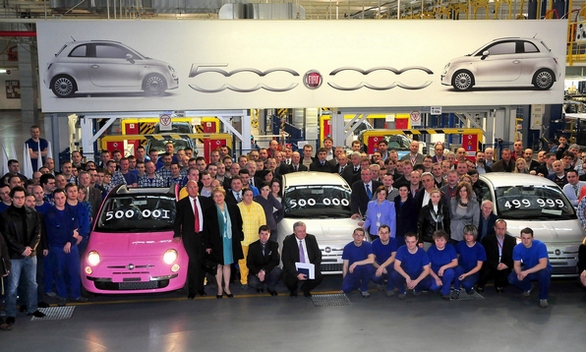
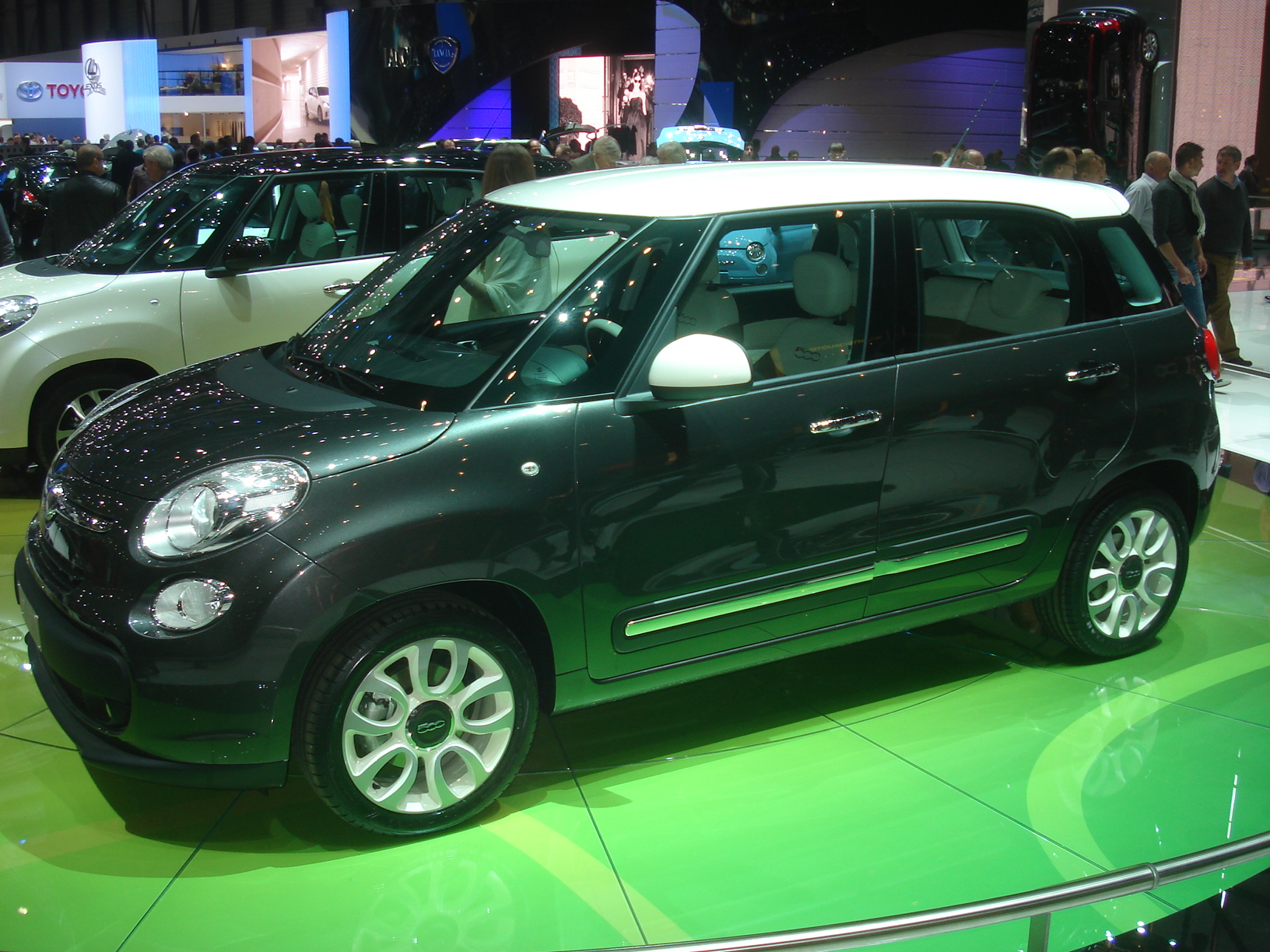
With this arrival, 500 family is gettin big now: first it came the regular Cinquecento presented in 2007 only for European markets. Then in 2009, they showed the Abarth version. Meanwhile the 500C appeared. Then, in Geneva 2011 they showed the Fiat 500 by Zagato as a concept and 500 by Gucci, after the success of 500 by Diesel. This year they finally introduced the 500L, a family version of it. The work Fiat has done with this model is an example to follow in other segments. They not only created an icon of design and style, but also a referent in the segment of small and exclusive cars. Fiat could open a new segment within the ‘A’ segment with a car that is practical, but at the same time luxury and original. A car that has become popular everywhere it has been introduced and has been able to project a family design shape.
So far Fiat and Abarth have been able to meet needs from bachelor students who get their first ca up to single business men who want a second and fast car. The target is getting big as the range of Cinquecentos. Sale’s numbers can confirm it: since July 2007 when it was presented in Turin, Fiat 500 have accumulated more than 750.000 units sold worldwide becoming a real success in Italy, France, England, the Netherlands, Greece, Japan and now becoming popular in its new markets: America, Canada, Brazil, Argentina and Mexico. The 500L will come to increase even more these numbers as it will offer another kind of car based on 500’s main idea: practicality and originality with Italian touch.
The right car in the right place and in the right moment
If you go to Google Maps and type VW Södertälj, one of VW’s main offices in Sweden you will find something unusual. Just in front of the main entrance you will find a red Cinquecento, a car that certainly does not make part of VW portfolio. This particular scene is part of a Marketing campaign of Italians in Sweden for which they parked the right car (one of most representative Fiats nowadays), in the right place (just in front of main entrance of competitor’s headquarters) and in the right moment (just minutes before the Google camera passed). A nice move that for sure will have a reply from Germans.
Fiat Brazil updates the Bravo
After one year and half in the Brazilian market, the compact Bravo has received its first update in order to stop sales decrease of last months. This car, that has been positionated in an upper place of C segment (comparing to its European brother), has got a new automatic transmission called Dualogic Plus which offers several driving features such as the ‘Creeping’, in which the car detects when releases his foot from brake pedal and then automatically begins a slight displacement forward, without using the accelerator pedal (it helps when parking). Besides when using the feature Auto-Up Shift Abort, the car can switch to a higher gear in case of speed resumption, without loosing torque and power. Other features include Radio NAV with 6.5″ screen navigator.
The Bravo is one of Fiat’s offer in small ‘C’ segment in Brazil. So far they have sold (from Nov/10 to Apr/12) around 15.000 units, from which 11.827 were sold in 2011, a small number compared to other competitors like Toyota Corolla (2011: 53.147), Hyundai i30 (35.717), or Ford Focus (27.611)*. But things are not getting better for the beauty Bravo, available with 1.8 16V 132hp or T-Jet 16V 152hp. This year its sales have decreased 6% explained partly because of general fall of the whole Brazilian market (down 3%) but also because of arrival of better competitors: new generation of Honda Civic (+31%), Chevrolet Cruze (new model) and VW Jetta (+671%), all of them ‘C’ segment sedans and no Hatchback as the Bravo. Certainly Brazilians prefer large compacts and that’s why Fiat offers also the Linea as the sedan version of Bravo, but not even this sedan is gaining a position in the market. Therefore, Fiat Brazil, besides the update of Bravo and next facelift of Linea, should accelerate the arrival of new generation of these models and gain more market share (in 2011 was only of 6.1%) in this growing segment, that got a market share of 11.7% in 2011, the third largest one and even larger than small pickup segment (11.4%)**
Information from autoesporte.com.br
* bestsellingcarsblog.com
** FGW data base
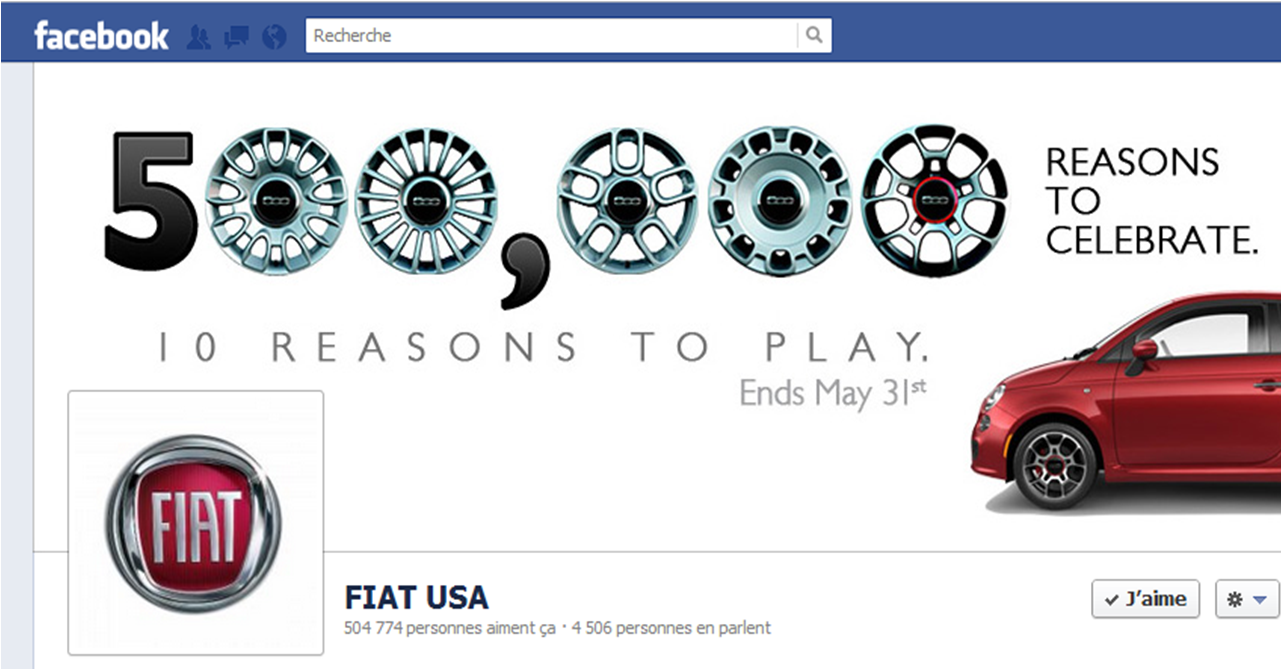
More than 500.000 Facebook fans of Fiat USA
The success of Fiat’s return in American market has not stopped. Last week Fiat USA’s Facebook profile got its 500.000th fan becoming one of the fastest hit on this social network. The profile has just been available since March 2010 when Fiat began its idea of coming back to American market with its successful Cinquecento. The car, though, has been on sale from March 2011 and this year has become a hit not only in the streets but also on internet. Facebook has become an important Marketing tool in the industry as it comunicates directly to people all over the world in a permanent way, making usefull of people’s need to be online and in touch with their friends. This is how Fiat USA (a brand that pretty unknown or had a bad reputation in the States) is becoming even more popular than other Facebook profiles such as Mini USA that counts 272.000 fans, Smart USA, 70.000. Good for it!