


Fiat, an acronym for Fabbrica Italiana Automobili Torino, is a name that resonates with car enthusiasts worldwide. While the brand is renowned for producing iconic vehicles like the Fiat 500 and the Fiat Panda, it has also left an indelible mark on the world of motorsport. From its humble beginnings in the early 20th century to its modern-day involvement in various racing disciplines, Fiat’s journey in motorsport is a story of triumphs, trials, and transformation.
Although you cannot make F1 bets online regarding Fiat due to the Italians no longer being direct participants, the legendary brand has a long and illustrious history in four-wheeled motorsport’s elite-level competition, as you will discover.
Pioneering Spirit: The Early Years
Fiat’s foray into motorsport can be traced back to the early 1900s when the automobile industry was in its infancy. In 1900, the Italian automaker made its racing debut at the Paris-Bordeaux-Paris race. Despite technical challenges, Fiat secured second place, setting the stage for its future in motorsport. The victory showcased the company’s commitment to innovation and performance, a theme that would persist throughout its motorsport history.
The Birth of the “Beast of Turin”
One of Fiat’s most iconic moments in motorsport history came with the creation of the “Beast of Turin.” In 1911, Fiat unveiled the S76, a monstrous 28.5-liter engine behemoth capable of producing 290 horsepower. This colossal car was built to challenge the world land speed record, and it did just that in 1912, setting a new record at 116.75 mph. The S76, with its massive engine and formidable presence, became a symbol of Fiat’s audacity and ambition in the motorsport world.
A year later, at Ostende, Belgium, American driver Arthur Duray achieved a one-way speed of 132.27 mph as he attempted to set a new land speed record. However, Duray and the “Beast of Turin” could not complete a return run within the hour allocated. The iconic car was granted the unofficial title of the world’s fastest car thanks to eclipsing 132 mph.
The Interwar Years: Grand Prix Domination
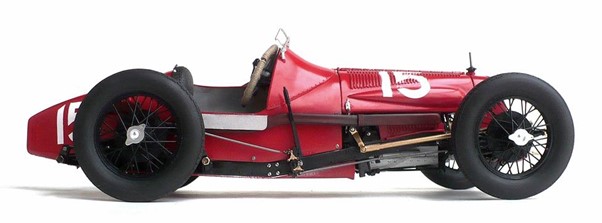
Between the World Wars, Fiat’s motorsport endeavors took a competitive turn. The Fiat 806 Grand Prix car, designed by the brilliant engineer Vittorio Jano, dominated the racing circuits of the 1920s. The Fiat 806 featured a 1.5-liter inline-6 engine capable of producing 155 horsepower, which was a ridiculous achievement for the 1920s.
In 1924, Fiat secured the World Manufacturers’ Championship, a remarkable achievement partly due to the car’s incredible engine and low-slung body setting new aerodynamic standards.
The Scuderia Ferrari Connection
Fiat’s influence in motorsport extended beyond its own racing efforts. In 1929, Fiat became a majority shareholder in Alfa Romeo, a move that eventually led to the formation of Scuderia Ferrari in 1933. This partnership solidified Fiat’s presence in motorsport and laid the foundation for one of the most legendary names in racing history, Ferrari. Under Fiat’s ownership, Alfa Romeo and later Ferrari would achieve numerous successes in Formula 1, further enhancing the Italian automaker’s reputation in motorsport.
Rallying Dominance: The Fiat 131 Abarth
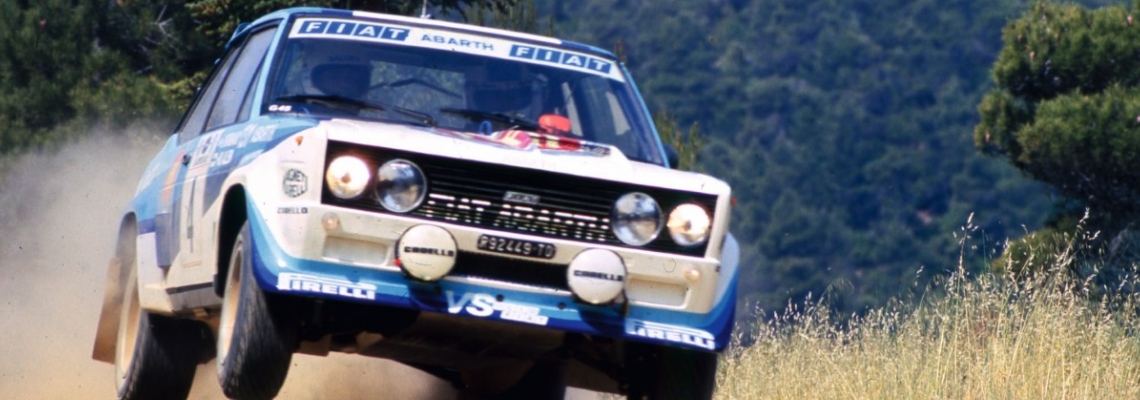
While Fiat made strides in Formula 1, it also succeeded in rallying. The Fiat 131 Abarth, introduced in the late 1970s, became an iconic rally car. Piloted by legendary drivers like Markku Alén and Walter Röhrl, the 131 Abarth secured three consecutive World Rally Championships for Fiat from 1977 to 1979. Its aggressive styling, lightweight body, and powerful 2.0-liter twin-cam engine made it a force to be reckoned with. The Fiat 131 Abarth is an iconic car in the world of rally racing to this day.
The Turbo Era: Fiat in Formula 1
Fiat’s involvement in Formula 1 peaked during the turbocharged era of the 1980s. The partnership between Fiat, Ferrari, and the racing team Scuderia Ferrari resulted in a string of successes. Notable drivers like Gilles Villeneuve, Didier Pironi, and later, Michael Schumacher achieved podium finishes and victories, contributing to Ferrari’s resurgence in the sport. This era saw Fiat’s logo prominently displayed on Ferrari’s cars, further associating the brand with Formula 1 excellence, although the company has never directly run a Formula 1 team.
Transformation and Rebranding
The late 20th century significantly changed Fiat’s corporate structure and involvement in motorsport. In the early 2000s, Fiat acquired a stake in the struggling American automobile manufacturer Chrysler, forming the Fiat Chrysler Automobiles (FCA) Group. While this move expanded Fiat’s reach globally, it also signaled a shift away from direct involvement in motorsport. Fiat is now more focused on producing standard passenger road cars and light commercial and panel vans.
Formula E and Beyond
As the automotive industry embraces electric mobility, Fiat has ventured into Formula E, the all-electric counterpart to Formula 1. Under the Stellantis Group, which includes Fiat, the Formula E team “Stellantis Grand Touring” has emerged. This new venture showcases Fiat’s commitment to staying relevant in the evolving world of motorsport.
Fiat’s involvement in electric car racing is spilling over to its production cars. The famous Fiat 500 has an electric model, but the company cannot shake off its rallying heritage. The Fiat 500 595 Abarth is currently the only high-performance Fiat model in production today. The F595, a 50th-anniversary model, has a 1.4-liter engine that produces 165 horsepower, which helps propel the car to 62 mph from a standing start in a shade under 7.5 seconds and on to a top speed of 135 mph, similar to the “Beast of Turin” built 112 years ago.
Fiat’s journey in motorsport is a tale of innovation, determination, and adaptation. From its early victories to its pivotal role in forming Scuderia Ferrari, from rally domination to its presence in Formula 1, Fiat has left an indelible mark on the racing world. While the brand has evolved and transformed over the years, its legacy in motorsport endures, serving as a testament to the enduring spirit of performance and competition that drives the Fiat brand.
 Fiat Group World
Strange article…
And where is the 124 Abarth….????
LikeLike